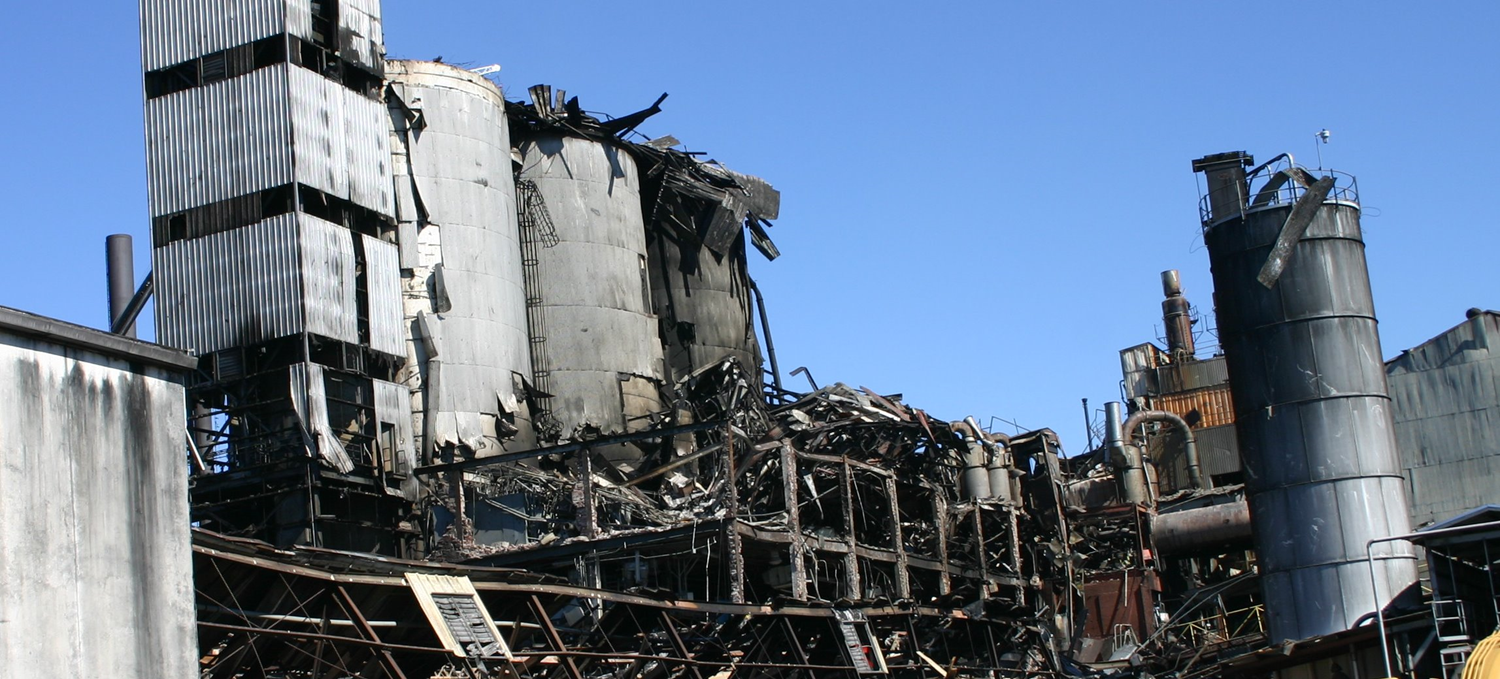
What Makes a Great Chemical Plant Operator? – Safe Habits

I have been developing ideas regarding improving spill and release events in chemical operations lately. People in these operations remain a central influence on the safety of the operation. Operators of the process units have the greatest influence over the operations. At the most basic level, operators must have habits that enhance safe operations. This article explores some key competencies of these critical personnel in the chemical plant.

In the intricate world of chemical manufacturing, where precision, safety, and efficiency are paramount, the role of a chemical plant operator stands as a critical cornerstone. Far from simply monitoring gauges or turning valves, these individuals are the vigilant guardians of complex processes, directly influencing everything from product quality to environmental integrity. While some tasks may appear routine, the mastery of fundamental actions—like meticulously verifying the correct valve, ensuring absolute closure, and maintaining constant vigilance during operations—is what truly separates a competent operator from a truly great one. This article delves into the core competencies and unwavering dedication that define what it truly means to be an indispensable chemical plant operator.

Proficient Manual Valve Operation: A Core Competency for Chemical Plant Operators

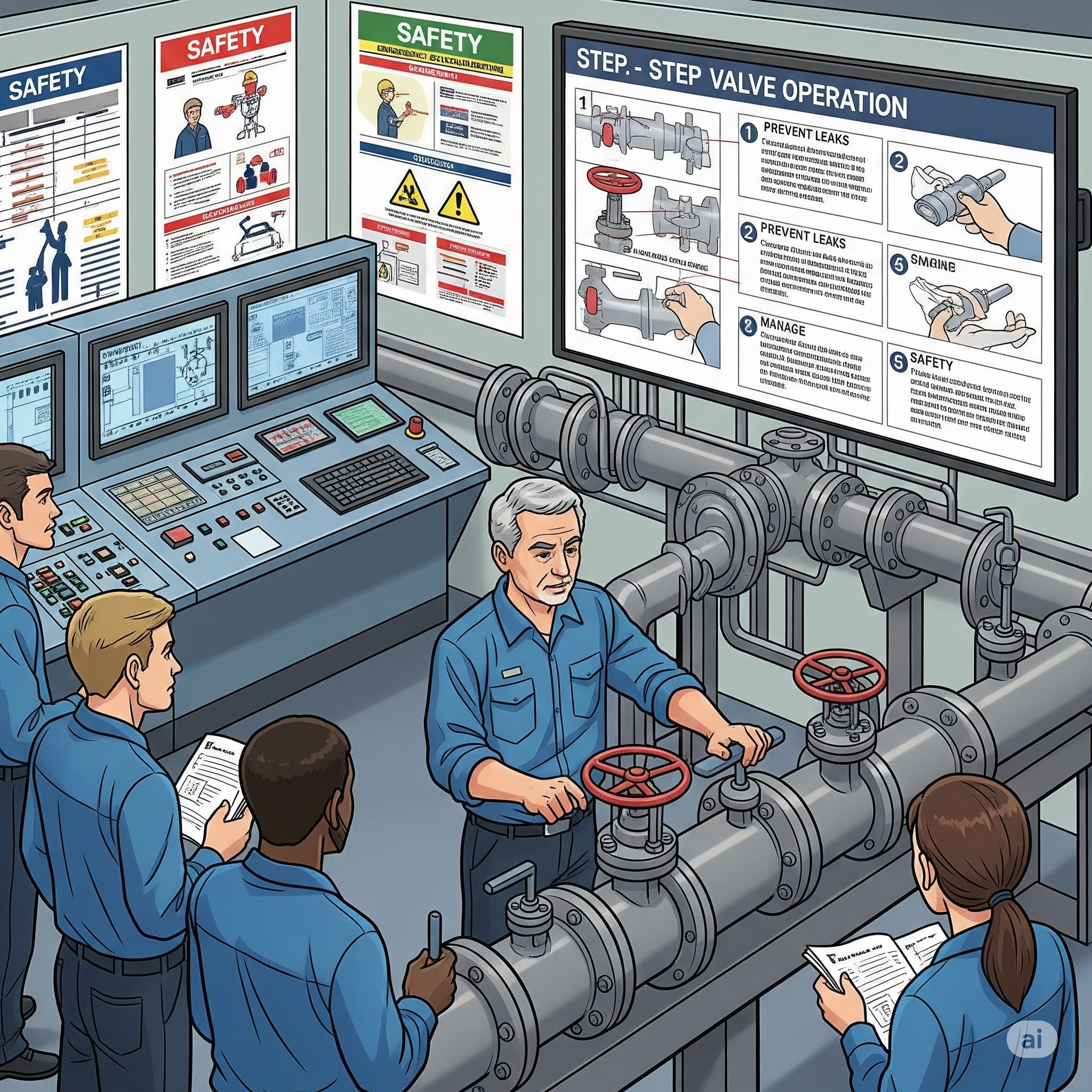
Operating manual valves is a fundamental and frequent task for chemical plant operators. While seemingly simple, improper valve manipulation can lead to significant safety incidents, environmental releases, production losses, and equipment damage. Proficient manual valve operation hinges on three critical actions: verifying the correct valve, ensuring full seating when closing, and never walking away from an open valve. This training text will expand on each of these concepts to provide a comprehensive understanding for all operators.


1. Verifying the Correct Valve: The Foundation of Safe Operation

Operating the wrong valve is a common root cause of incidents in chemical plants. The consequences can range from minor process upsets to catastrophic events. Therefore, rigorous verification protocols are paramount.

Why is it Critical?

  • Process Interruption: Closing a critical flow path or opening an incorrect one can disrupt an entire process, leading to off-spec product or even shutdowns.
  • Safety Hazards: Opening a valve to a high-pressure line when a low-pressure line was intended, or isolating the wrong safety device, can create immediate and severe safety risks (e.g., leaks of hazardous chemicals, pressure excursions).
  • Environmental Releases: Misdirected flow can lead to spills or releases of regulated substances into the environment, resulting in regulatory fines and reputational damage.
  • Equipment Damage: Introducing incompatible materials, over-pressurizing equipment, or creating cavitation can severely damage pumps, heat exchangers, and piping.

Detailed Verification Steps:

  • Positive Identification (3-Way Verification): This is the cornerstone of correct valve identification. Every time you approach a valve for operation, perform the following:
    1. Tag Verification: Read the valve tag number and description. Verbally confirm it matches the Procedure, Work Order, or Operator Log instruction. Don’t rely solely on memory or location.
    2. Line Tracing: Physically trace the pipeline connected to the valve in both directions (upstream and downstream) as far as practical. Verify the pipe contents, direction of flow (if indicated), and connection points. This helps confirm you’re on the correct process line.
    3. Location Confirmation: Confirm the valve’s physical location matches diagrams, P&IDs (Piping and Instrumentation Diagrams), and your mental map of the unit. Look for surrounding equipment, landmarks, and other valves in the vicinity.
  • Utilize P&IDs and Process Flow Diagrams (PFDs): Before going into the field, review the relevant P&IDs and PFDs for the area where you’ll be working. Understand the valve’s function, its upstream and downstream connections, and its relationship to other equipment. This pre-job briefing is crucial.
  • Pre-Job Briefing and Communication: When working with a team, especially during complex operations, conduct a thorough pre-job briefing. Clearly communicate which valves will be operated, by whom, and the expected outcomes. Use consistent terminology and valve numbers.
  • “Line of Sight” Principle: Whenever possible, maintain a clear line of sight to the valve you’re operating. If you have to turn away or your view is obstructed, re-verify before proceeding.
  • Address Discrepancies Immediately: If there’s any discrepancy between the valve tag, line tracing, P&ID, or instructions, STOP. Don’t proceed until the discrepancy is resolved. This may involve consulting with a supervisor, another operator, or reviewing documentation. It’s always better to ask than to make a mistake.
  • Avoid Assumptions: Never assume a valve’s function or connection based on its appearance or location alone. Always verify.
  • Poor Lighting/Visibility: In dimly lit areas or areas with poor visibility, use a flashlight. Ensure valve tags are clean and legible.

2. Ensuring Valves Are Fully Seated When Closing: Achieving Positive Isolation

A common misconception is that “closed” means “closed.” For many valve types, especially gate and globe valves, a valve is only truly closed when it’s “full seated.” Failure to fully seat a valve can lead to leaks, bypassing, and incomplete isolation.

Why is it Critical?

  • Incomplete Isolation: A partially closed valve will allow product to leak through, preventing effective isolation for maintenance, cleaning, or ensuring process integrity.
  • Safety Risks: Leaks of hazardous materials can pose serious safety threats (e.g., toxic gas release, flammable liquid spills).
  • Process Contamination/Bypassing: Unintended flow through a “closed” valve can contaminate product, bypass critical process steps, or lead to inefficient operations.
  • Erosion and Damage: Continuous small leaks (often called “wire drawing”) through a partially seated valve can erode the valve seat and disc over time, leading to permanent damage and increased leakage.
  • Loss of Containment: This can contribute to environmental incidents and regulatory non-compliance.

Detailed Seating Procedure:

  • Feel the Resistance: As you close the valve, you’ll feel increasing resistance as the disc or wedge approaches the seat. This is normal.
  • Gentle Snug Up: Once you feel significant resistance, apply a firm but gentle final turn to “snug up” the valve. Do NOT over-tighten or use excessive force, especially with smaller valves or those with fine threads. Over-tightening can:
    • Damage the valve seat or disc.
    • Strip the stem threads.
    • Gasket deformation, leading to future leaks.
    • Make it difficult to open the valve later.
  • Back-Seating (Where Applicable): For some globe valves and specific gate valves, after fully closing the valve, it’s good practice to turn the handwheel a quarter to half turn back in the opening direction. This pulls the stem slightly back against a “back seat” in the bonnet, which helps to seal against stem packing leaks. Note: Not all valves are designed for back-seating, and excessive back-seating can sometimes unseat the main closure element. Refer to specific valve manufacturer guidelines or plant procedures.
  • Verify Zero Flow/Pressure: After closing a valve for isolation, always verify that flow has stopped or pressure has dropped to zero on the downstream side, if safe and practical to do so (e.g., by observing a pressure gauge, flow meter, or listening for flow).
  • “Closed” Indication: Visually confirm the valve position indicator (if present) shows “closed.” However, don’t rely solely on the indicator as it can sometimes be misaligned.
  • Never Use a Cheater Bar (Unless Approved): Using wrenches or “cheater bars” to gain leverage on valve handwheels is generally prohibited unless specifically authorized by a procedure or supervisor for specific, large valves where extra leverage is safely required, and the valve is designed to withstand it. Excessive force can severely damage the valve.
  • Report Leaks: If a valve doesn’t fully seat and continues to leak, or if you encounter excessive difficulty in seating it, stop and report the issue immediately for maintenance. Don’t try to force it.

3. Never Walking Away from an Open Valve: Maintaining Situational Awareness

Operating a valve is an active process that requires constant attention, especially when opening. Walking away from an open valve, even for a moment, can have serious consequences.

Why is it Critical?

  • Uncontrolled Flow/Pressure: Leaving an opening valve unattended, especially during filling or pressure equalization, can lead to overfilling of tanks, over-pressurization of lines, or uncontrolled reactions.
  • Spills and Releases: An unattended valve opening can quickly lead to spills, overflows, or releases of hazardous materials if the receiving vessel or line capacity is exceeded or if an unexpected condition arises.
  • Process Upsets: Uncontrolled flow can destabilize an entire process, leading to off-spec product, emergency shutdowns, or even equipment damage.
  • Safety Hazards: Uncontrolled flow can lead to explosions, fires, or exposure to hazardous chemicals if containment is lost.
  • Missed Abnormalities: An operator present during valve opening can immediately detect and respond to abnormal conditions such as leaks, unusual noises, vibrations, or rapid pressure/level changes.

Detailed Guidelines for Opening Valves:

  • “Open Slowly, Open Deliberately”: Unless a procedure specifically dictates rapid opening (e.g., for certain emergency valves), open valves slowly and deliberately. This allows:
    • Controlled Flow/Pressure Equalization: Prevents hydraulic shock (water hammer) and allows pressures and temperatures to equalize gradually.
    • Monitoring for Abnormalities: Gives you time to observe changes in pressure, flow, level, temperature, and listen for unusual sounds.
    • Reaction Time: Provides time to react and close the valve if an unexpected problem arises.
  • Constant Monitoring: Remain at the valve and continuously monitor the relevant process parameters (e.g., pressure gauges, level indicators, flow meters) as you open it. Listen for flow, watch for leaks, and feel for vibrations.
  • Define Your “Walk-Away” Point: Only walk away from a manual valve once its operation is complete (fully open, fully closed, or set to a specific throttled position), you’ve verified its state, and confirmed the process is stable and reacting as expected.
  • Communication: If you must leave a valve partially open for an extended period (e.g., during a slow fill), ensure you communicate this clearly to other operators and your supervisor. Use lockout/tagout procedures if the valve is critical for safety or maintenance.
  • Never Leave a Partially Open Valve Unattended During Critical Operations: During critical operations like filling a tank, transferring hazardous materials, or bringing equipment online, stay with the valve until the operation is complete and the system is stable.
  • Use Checklists and Procedures: For complex valve lineups or operations, always use written checklists and follow standard operating procedures (SOPs). Mark off each step as it’s completed, including valve position verification.
  • Handover Protocols: During shift changes or breaks, ensure clear and detailed handover of any valves that are in an intermediate state or that require ongoing monitoring.

4. Never Use Safety Devices to Run the Process: Protect the Last Line of Defense

In chemical plants, emergency systems like high-high level switches, low-low flow trips, or relief valves are built to protect people, equipment, and the environment if something goes wrong. These devices are not meant to be part of normal daily operation. Using them that way puts the plant at risk and removes your safety backup.


Why is it Critical?

  • Loss of Safety Margin: These devices are there to act when the process goes off track. If you’re relying on them during normal work, they’re no longer a true backup—and may not be there when you really need them.
  • Operator Desensitization: If a safety device trips regularly, it starts to feel routine. That means you’re ignoring early warning signs and could miss a real problem.
  • Mechanical Failure Risk: Emergency switches and shutdown systems are not built for frequent use. Repeated cycling can cause them to fail or stick, making them unreliable during an actual emergency.
  • Poor Operational Control: If you’re waiting for a safety trip to stop a process, you’re not truly in control. It means you’re running too close to the edge instead of managing the process with proper tools.
  • Regulatory Compliance: Standards like OSHA PSM, API 2350, and ISA 84 require that safety systems be used only as a final layer of protection—not as part of the operating plan. Misuse can lead to audits, fines, and serious safety issues.

Detailed Use Practices:

  • Know the Difference Between Control and Safety Devices: Understand which instruments are for daily control (like level transmitters or flow meters) and which are there to stop emergencies. Don’t mix them up in your operations.
  • Use Proper Operating Limits: Always stop processes—like tank filling—based on normal operating levels, not when the high-high trip activates. Stay within safe ranges well before safety systems kick in.
  • Track Levels and Flow—Don’t Wait for Trips: Monitor tank level, flow rate, and fill time closely. Know how long a fill should take and when to stop it. The safety switch should never be what tells you you’ve gone too far.
  • Review P&IDs and SOPs: Before starting a job, check P&IDs to see how the system is supposed to work. Procedures should never tell you to rely on a safety trip to complete an operation.
  • Recognize Frequent Trips as a Problem: If safety devices are tripping often, report it. That’s a sign something is wrong with the process or procedure—it’s not “just how it works.”
  • Speak Up About Unsafe Procedures: If you see or are asked to follow a practice that uses safety systems as a routine control method, stop and bring it up. It could prevent an incident.
  • Test Safety Devices on a Schedule—Not During Operations: Safety systems should be tested in a controlled environment during maintenance or inspection. They’re not process control devices.

5. Procedure Use and Compliance: The Blueprint for Safe and Consistent Operation

Standard Operating Procedures (SOPs) are the backbone of safe, efficient, and compliant chemical plant operations. They encapsulate critical process safety information, best practices, and lessons learned. Proficient operators not only follow procedures but also understand their purpose and actively contribute to their continuous improvement.

Why is it Critical?

  • Consistency and Predictability: Ensures tasks are performed uniformly across all shifts and operators, leading to predictable process outcomes and reducing variability.
  • Error Reduction: Procedures are designed to minimize human error by providing clear, step-by-step instructions, highlighting critical points, and specifying safety precautions.
  • Accident Prevention: Many incidents can be traced back to deviations from established procedures or the lack of adequate procedures. Adherence prevents known hazards from recurring.
  • Training and Competency: Procedures serve as vital training tools for new operators and refreshers for experienced personnel, ensuring a baseline level of competency.
  • Regulatory Compliance: Regulatory bodies (e.g., OSHA, EPA) often mandate written procedures for critical operations involving highly hazardous chemicals, making compliance essential.
  • Troubleshooting and Reference: Provide a reliable reference for operators during abnormal conditions or when troubleshooting process upsets.
  • Knowledge Transfer: Capture institutional knowledge, ensuring that critical operational experience isn’t lost due to personnel changes.

Detailed Guidelines for Procedure Use and Compliance:

  • Always Use the Latest Approved Version: Before starting any task, verify that you’re using the most current, approved version of the procedure. Check dates or version numbers. Never rely on outdated copies or memory for critical operations.
  • Pre-Job Briefing and Review:
    • Read Through Before Starting: For any non-routine or critical task, read the entire procedure from beginning to end before commencing work. This allows you to understand the flow, anticipate challenges, and identify any prerequisites.
    • Identify Critical Steps: Pay close attention to steps marked as “critical,” “caution,” “warning,” or “danger.” Understand why these steps are critical and what the potential consequences of error are.
    • Verify Equipment and Conditions: Before touching any equipment, mentally (or physically, if safe) walk through the procedure and confirm that all necessary equipment is available, in proper working order, and that the process conditions (e.g., pressure, temperature, levels) are as specified.
  • Step-by-Step Adherence:
    • Execute Each Step as Written: Perform each step exactly as written in the procedure. Don’t skip steps, combine steps, or improvise, unless explicitly authorized through a Management of Change (MOC) process or immediate emergency response (which must be documented afterwards).
    • “Stop-Think-Act-Review” (STAR Principle): For critical steps, pause before acting.
      • Stop: Before performing the action.
      • Think: What is the action? What is the expected outcome? What are the potential hazards?
      • Act: Perform the action deliberately.
      • Review: Verify the action was completed correctly and the expected outcome occurred.
    • “Verify and Confirm”: After completing a step (especially valve operations, switch positions), visually or audibly confirm the action was successful before moving to the next step.
  • Marking Procedures (Where Permitted): If procedures are designed for it, check off steps as they’re completed. This helps maintain place, especially in long or complex procedures, and provides an audit trail.
  • Do Not Deviate Without Authorization: If a step cannot be performed as written, or if an unexpected condition arises, stop the job immediately. Don’t attempt a workaround. Contact your supervisor, and if necessary, initiate the Management of Change (MOC) process to review and update the procedure.
  • Feedback and Improvement:
    • Report Discrepancies: If you identify an error, omission, ambiguity, or inefficiency in a procedure, report it immediately through the established feedback mechanism. This is a critical part of continuous improvement.
    • Participate in Reviews: Actively participate in periodic procedure reviews or updates when requested. Your frontline experience is invaluable in ensuring procedures are practical, accurate, and safe.
  • Accessibility: Know where to find all relevant procedures, whether they’re hard copies in a control room, electronic files, or within a document management system. Ensure they’re readily accessible during operations.
  • Training and Assessment: Understand that procedures are core to your training and competency. Actively engage in training sessions that use procedures and be prepared for assessments of your understanding and ability to follow them.

Conclusion: The Operator’s Role in Process Integrity

Proficient manual valve operation isn’t just about turning a wheel; it’s about understanding the process, anticipating potential issues, and maintaining constant vigilance. By diligently practicing these three key actions—verifying the correct valve every time, ensuring valves are full seated when closing, and never walking away from an open valve—along with strict procedure use and compliance, chemical plant operators significantly contribute to the safety, reliability, and efficiency of the entire facility. These practices are cornerstones of operational discipline and distinguish a proficient operator. Turning these crucial training points into ingrained habits is paramount, ensuring that safe and effective operation becomes second nature. Continuous training, unwavering adherence to procedures, and a steadfast commitment to safety are essential for mastering these fundamental skills.

Posted in Uncategorized | Tagged , , , , | Leave a comment

You Can’t Manage What You Don’t Value: Reimagining Capital in Organizations

A New Model for Business Decision Making

The Capitals Model is a framework that helps organizations recognize that long-term value creation depends on more than just financial assets. Developed and promoted by the Capitals Coalition, the model encourages businesses and institutions to account for four interconnected forms of capital: natural, social, human, and produced (or financial) capital. Natural capital includes environmental resources like air, water, biodiversity, and ecosystems that provide essential services such as clean water and climate regulation. Social capital refers to the relationships, trust, and networks that enable societies and economies to function effectively. Human capital encompasses the skills, knowledge, health, safety, and wellbeing of people—core elements that drive productivity and innovation. Finally, produced capital consists of physical and financial assets such as infrastructure, tools, and investments used in production.

“Every time we ignore human capital, we gamble with resilience and call it cost savings.”

The purpose of the model is to help organizations understand their dependencies and impacts across all these capitals, leading to better-informed decisions that balance financial, environmental, and social outcomes. By incorporating these multiple dimensions into planning and reporting, the Capitals Model promotes long-term resilience, risk awareness, and integrated value creation. It is increasingly used in sustainability reporting frameworks such as the CSRD (Corporate Sustainability Reporting Directive) and TNFD (Taskforce on Nature-related Financial Disclosures), as well as in ESG investing and corporate risk assessments. Ultimately, the Capitals Model challenges traditional, siloed thinking and emphasizes that organizations cannot fully measure or manage value if they ignore the real sources of it—people, nature, and society.

How it Differs

The Capitals Model differs significantly from the traditional financial model used in most businesses today by broadening the definition of value and encouraging a more holistic approach to decision-making. While the traditional model focuses almost entirely on produced capital—such as financial assets, infrastructure, and short-term profitability—the Capitals Model recognizes four types of capital: natural, social, human, and produced. This expanded perspective acknowledges that ecosystems, people, and communities are not just costs or risks to be managed but are core contributors to long-term value creation.

Another key difference is how each model treats externalities. The traditional financial model often ignores or externalizes environmental and social impacts—such as pollution, resource depletion, or workforce health—unless they directly affect the bottom line. In contrast, the Capitals Model seeks to internalize these impacts, making them visible and measurable so that they can be incorporated into strategic planning. It also differs in its time horizon. Traditional models prioritize short-term financial returns and quarterly performance, whereas the Capitals Model emphasizes long-term sustainability, resilience, and the ability of all capitals to continue generating value over time.

In terms of decision-making, the traditional approach typically evaluates options based on narrow financial return metrics, while the Capitals Model encourages integrated thinking that considers broader risks and opportunities tied to natural systems, human wellbeing, and social cohesion. Finally, the Capitals Model promotes more transparent and integrated reporting by aligning financial and non-financial performance measures. Rather than replacing the traditional model, it enhances it by providing a fuller, more realistic view of how organizations create, preserve, or destroy value across multiple dimensions.

Focus on Human Capital

Human capital refers to the collective value of the knowledge, skills, experience, health, motivation, and wellbeing that individuals bring to an organization. Unlike machines or buildings, human capital is a dynamic and renewable resource that grows through education, training, experience, and engagement. It is essential not only for productivity and operational success, but also for innovation, adaptability, and organizational resilience. Employees are the ones who solve problems, improve processes, build relationships, and respond to crises. Their insights and performance often determine whether safety protocols are followed, quality standards are met, and customers are retained. Yet, in traditional financial models, people are usually treated as expenses (e.g., salaries, benefits) rather than as value-generating assets. This leads to under investment in workforce development, wellbeing, and safety—despite the fact that losses related to disengagement, burnout, or injuries often far exceed those related to equipment failures.

By recognizing human capital as a core asset, organizations can shift from a cost-control mindset to an investment mindset. This means prioritizing not just technical training, but also mental health support, inclusive work cultures, and leadership development. In the context of safety, for example, valuing human capital helps justify investments in better work design, human-centered controls, and robust incident prevention—not just because it avoids harm, but because it preserves the organization’s most critical and irreplaceable resource: its people. When human capital is properly valued, it becomes clear that protecting and developing the workforce is not just a moral obligation, but a strategic and financial imperative.

Example Application for Safety Improvement

Integrating human capital concepts into the justification of capital expenditures to abate prioritized risks fundamentally strengthens the risk assessment process by illuminating the often-overlooked economic value of the workforce. In traditional models, risk abatement is typically justified through cost-avoidance calculations—preventing equipment damage, production losses, or regulatory fines. However, this approach often undervalues or entirely omits the impact of risks on people, treating injuries, fatigue, or human error as incidental rather than as substantial threats to organizational performance and value. By applying human capital thinking, organizations begin to see the workforce not as a cost to be minimized, but as a key asset whose protection and enhancement is central to sustainable value creation.

When prioritized risks are identified—such as those involving high potential for human error, exposure to hazardous conditions, or excessive cognitive or physical demands—the decision to allocate capital should be informed by the potential loss or degradation of human capital if those risks go unaddressed. This includes quantifiable losses such as lost time from injuries, recruitment and retraining costs, and reduced productivity from disengagement, as well as harder-to-measure impacts like erosion of institutional knowledge, morale, and team effectiveness. By explicitly incorporating these human capital losses into the cost-benefit analysis, the financial justification for risk mitigation becomes more robust and realistic.

For example, a capital project to redesign a loading station prone to human error might not be justified if only equipment downtime and repair costs are considered. But if the analysis includes the value of preventing operator fatigue, preserving experienced personnel, and avoiding the downstream effects of injuries on morale and turnover, the return on investment becomes clear. In this way, human capital provides a powerful lens through which safety investments are reframed—not just as a means of avoiding harm, but as strategic initiatives to preserve the organization’s productive capacity, resilience, and long-term competitiveness. This shift ultimately leads to better-aligned decisions, more effective risk management, and stronger outcomes for both people and performance.

Here is a conceptual example of how to use human capital concepts in a spreadsheet-style cost-benefit analysis to justify capital for risk abatement. This example compares a traditional justification based on physical assets alone with an enhanced justification that includes human capital impacts.

Spreadsheet Example: Capital Investment Justification for Safer Loading Station

CategoryTraditional ModelHuman Capital-Inclusive ModelNotes
A. Capital Investment Cost$150,000$150,000Cost to redesign loading station (e.g., automation, ergonomic layout).
B. Annual Cost of Incidents (Before Control)
Equipment Downtime (repairs, lost production)$30,000$30,000From incident reports.
Material Loss / Spills$10,000$10,000Spill cleanup, lost product.
Injury Costs (medical, claims)$15,000$15,000Workers’ comp, etc.
Lost Work Time$20,000Based on 400 hrs x $50/hr burdened labor rate.
Retraining Due to Turnover$8,000Based on 1.5 FTEs lost per year due to injuries/fatigue.
Productivity Loss (disengagement, fatigue)$25,000Estimated from human performance data and surveys.
Morale / Team Performance Impact$10,000Proxy value based on estimated effect on throughput.
Total Annual Incident Cost$55,000$118,000Total cost exposure per year.
C. Post-Investment Residual CostAssumes 80% risk reduction.
Residual Cost (20%)$11,000$23,600Reduced but not eliminated.
D. Annual Benefit (Cost Avoided)A – C
Annual Cost Savings$44,000$94,400Difference between pre- and post-control costs.
E. Payback Period (Capital / Annual Benefit)3.41 years1.59 yearsShorter payback with human capital included.
F. ROI over 5 Years147%315%Much stronger return when accounting for workforce impact.

Key Insights

  • The traditional analysis shows a marginal ROI and long payback, which may lead decision-makers to delay or reject the investment.
  • By including human capital-related losses—such as lost productivity, turnover, and team disruption—the financial justification is dramatically strengthened.
  • This approach makes it easier to align safety investments with business value and gain executive support.

I have been collaborating with other stakeholders on the Capitals Coalition’s Valuing Human Capital in Occupational Health & Safety project. This project engages current and future occupational health & safety professionals around the importance of valuing the health, safety and the wellbeing of workers through a capitals approach as set out in the Social & Human Capital Protocol.

Learn more about implementing the Capitals model at: https://capitalscoalition.org/capitals-approach/frameworkintegrated/

Posted in Uncategorized | Tagged , , , , | Leave a comment

From Ambiguity to Action: Turning Weak Signals into Strategic Safety Gains

As I stood reviewing yet another incident report, I found myself asking a question that’s become uncomfortably familiar: What could we have done differently—not after the fact, but before it happened? In high-risk, complex operations, it’s all too clear that control is never absolute, and even the most carefully written procedures or well-intentioned training programs don’t always prevent the unexpected. Despite our best efforts, relying on reaction after loss or injury often means we’re already too late. But what if the real opportunity lies not in tightening our response, but in shifting our mindset? When we proactively target the conditions that give rise to accidents—the weak signals, the subtle mismatches, the latent system flaws—we move closer to a performance model built not on avoiding failure, but on anticipating and outpacing it.

“Disasters don’t come without warning—they whisper. The smartest organizations are the ones that learn to listen before the shouting starts.”

This article explores how forward-looking strategies can help us reshape safety from a reactive posture to one rooted in resilience, foresight, and true operational control.

What is Weak Signal Theory

The application of weak signal theory to managing operations in a chemical manufacturing environment involves several critical elements that together enhance an organization’s ability to anticipate, detect, and respond to early indicators of failure or degradation before they lead to safety incidents, process disruptions, or quality deviations. At its core, weak signal theory revolves around recognizing subtle, fragmented, and often ambiguous indicators—such as minor alarms, slight deviations in process data, uncharacteristic equipment behavior, or informal operator concerns—that may not, on their own, demand immediate attention but could signal the early onset of significant problems. One of the foundational elements is operational mindfulness, which requires frontline workers, supervisors, and technical personnel to maintain an acute awareness of normal operating conditions and a sensitivity to any deviations, however small. This form of attentiveness must be cultivated through training, cultural reinforcement, and leadership modeling. Closely linked to mindfulness is the need for psychological safety, where workers feel empowered to speak up about concerns that may lack hard evidence or fall outside of routine metrics. Without such a culture, weak signals often remain unreported, particularly in hierarchical or production-driven environments.

Another essential element is the establishment of multiple channels for signal detection and capture, including both formal mechanisms (like near-miss reporting systems, shift logs, and operator rounds) and informal methods (such as conversations during toolbox talks or anecdotal comments during control room handovers). The goal is to create low-friction opportunities for employees to surface weak signals without fear of being ignored or penalized. Once a signal is detected, cross-functional interpretation becomes critical. Weak signals are often ambiguous and require the collective expertise of operations, engineering, safety, maintenance, and quality teams to understand their potential significance. These teams apply systems thinking and historical knowledge to connect the dots and determine whether a pattern is emerging or if further investigation is warranted.

To institutionalize this process, weak signal detection must be integrated into daily operational routines. This includes embedding weak signal prompts into shift handovers, routine safety meetings, management of change (MOC) reviews, and even control room checklists. Organizations should also maintain a repository of precursor indicators, linking weak signals to known failure modes or previous incidents. This enables trend analysis and pattern recognition that can uncover hidden systemic risks. A key feature of high-functioning weak signal systems is the willingness to act on incomplete information—whether that means initiating a preventive maintenance check, adjusting a process parameter, or triggering a temporary operational control—based on a credible concern rather than waiting for confirmation through a failure.

Additionally, the system must include feedback loops and learning mechanisms, so those who report weak signals see that their concerns are taken seriously and result in action or investigation. Feedback reinforces reporting behavior and contributes to a culture of trust and vigilance. The final critical element is ongoing evaluation and refinement of the weak signal processes themselves. This includes auditing the effectiveness of detection channels, assessing the organization’s responsiveness to weak signals, and ensuring that lessons learned from weak signals are shared across shifts and sites to strengthen the organizational memory. In sum, the critical elements of weak signal theory in chemical manufacturing encompass perceptual awareness, open communication, collaborative interpretation, proactive intervention, cultural support, and continuous learning—all of which are essential to achieving anticipatory safety and operational reliability in a complex, high-risk industrial setting.

Weak Signal Theory Applied to Operational Safety

Weak signal theory is critically important in maximizing the performance of safety systems in industrial operations because it shifts the organizational focus from reactive to proactive risk management. Traditional safety systems are often designed to respond to failures after they occur, relying on incident investigations and corrective actions. However, in complex, high-risk environments like industrial manufacturing, serious incidents are often preceded by small, ambiguous signs—what weak signal theory calls “weak signals.” These signals may include subtle equipment irregularities, near-misses, abnormal operating conditions, or informal operator concerns that do not fit neatly into established risk models. If ignored, these signals can represent missed opportunities to detect latent conditions, design flaws, or human factors vulnerabilities that could contribute to a major incident.

By enabling organizations to identify and act on these early indicators, weak signal theory enhances the agility and responsiveness of safety systems. It helps bridge the gap between what is known and what is emerging, allowing safety systems to evolve dynamically in response to real-world complexity. Additionally, it supports the principles of high reliability organizations (HROs) by fostering sensitivity to operations, a reluctance to simplify interpretations, and a commitment to resilience.

Weak signal theory also strengthens human performance by encouraging frontline workers to report what they sense, even when it lacks clear evidence, and by ensuring that the organization listens and learns from these observations. In doing so, it drives continual improvement in both technical controls and organizational processes, thereby maximizing the effectiveness and reliability of the entire safety management system. Ultimately, integrating weak signal detection into industrial operations can mean the difference between preventing a disaster and managing its aftermath.

The Connection Between Weak Signal Theory and Sensemaking

The connection between weak signal theory and sensemaking is both deep and essential, particularly in high-risk environments like chemical manufacturing where ambiguity, complexity, and time pressure are constant. Weak signal theory deals with the detection of early, often ambiguous indicators of potential problems—subtle signs such as unusual noises, small equipment irregularities, abnormal operator behavior, or inconsistent data trends that, while not yet clearly threatening, may be harbingers of larger failures. On its own, detecting these signals is not enough; their value lies in how an organization interprets and acts upon them. This is where sensemaking becomes vital.

Sensemaking, as defined by organizational theorist Karl Weick, is the social and cognitive process through which people interpret uncertain, incomplete, or ambiguous information to construct a coherent understanding of what is happening and decide what to do next. In the context of weak signals, sensemaking involves gathering fragmented pieces of information, questioning assumptions, and developing shared mental models among team members to assess whether the observed irregularities represent noise, a minor variation, or a precursor to a serious event. For example, a low-level alarm might be rationalized by one individual as insignificant, but during collective sensemaking—such as a multidisciplinary team discussion—it could be reframed as the early indication of a systemic failure or a control system degradation.

The link between the two concepts is especially important because weak signals are rarely clear-cut. They require contextualization—a blending of local knowledge, historical experience, technical expertise, and real-time observations. Sensemaking enables teams to transform weak signals into actionable insights by recognizing patterns, comparing current anomalies with past incidents, and asking critical questions like, “What are we missing?” or “What else could this mean?” In this way, sensemaking functions as the bridge between noticing weak signals and making risk-informed decisions. It shifts organizational focus from simplistic cause-and-effect thinking to dynamic interpretation and learning.

In high-reliability operations, the connection between weak signal theory and sensemaking also supports the principle of preoccupation with failure. Organizations that actively practice sensemaking in response to weak signals are more likely to anticipate emerging risks, adapt quickly, and intervene before an incident occurs. Moreover, sensemaking processes encourage distributed cognition—leveraging multiple perspectives across roles and departments—so that small cues are not dismissed due to cognitive biases or siloed thinking.

In summary, weak signal theory identifies the “what”—the subtle cues that something may be going wrong—while sensemaking provides the “how”—the interpretive process that gives these signals meaning, direction, and urgency. Together, they enable a proactive safety posture where early warnings are not only seen but understood, debated, and acted upon in ways that strengthen operational resilience and prevent harm.

Conclusion

In chemical manufacturing, where the stakes are high and systems are complex, weak signal theory provides a vital strategy for building foresight and resilience. By cultivating mindfulness, enabling open communication, interpreting signals collectively, and acting proactively, organizations can prevent small problems from growing into major incidents. Applying these steps consistently—and embedding them into the cultural and operational fabric of the plant—can transform how safety is managed, making it more anticipatory, adaptive, and effective.

Follow Up Discussion 5/11/25

A colleague of mine had this question after reading this post:

“I’ve been challenged when arguing for recognition of such patterns that the connection with recognized data analysis tactics is, well, weak. Can you be more specific about the prompts and questions you’re using to build detection processes like what you describe here?”

It gave me the opportunity to think further about the application of weak signal theory in the work place. Below are my full thoughts that colored the short answer I responded with to her:

That’s a great and nuanced question—recognizing weak signals often depends as much on culture and intentional listening as it does on hard data. One way to make the process more structured is to integrate specific prompts into tools like digital safety observations and post-job reviews. Questions such as, “Was anything unusual, harder than expected, or out of alignment with normal operations?” can help surface early indicators of failure. These qualitative responses could then be tagged and categorized in an EHS data system to identify emerging trends. Additionally, forming cross-functional review teams—including frontline operators, supervisors, and human factors or HPI professionals—can help interpret this data. Their role would focus on recognizing weak patterns like recurring workarounds, ambiguous feedback, or inconsistent practices that often signal deeper system vulnerabilities.

To further support this process, organizations could operationalize key principles from High Reliability Organizations (HROs)—especially “preoccupation with failure” and “deference to expertise.” These principles can be embedded into routine planning and debrief activities by encouraging teams to reflect on what nearly went wrong and to center the voices of those closest to the work. One idea is to dedicate time in monthly risk or operations meetings for a “Weak Signals Review,” where team leads bring forward seemingly minor concerns or gut instincts shared by staff. These discussions could be supported by visual tools like heat maps or storyboards that help connect dots across incidents. By formalizing both the tools and the cultural mindset, weak signals can evolve from anecdotal observations into early warning signs that drive proactive risk management. Below is a sample storyboard and signal taxonomy to get you started.

Weak Signals Tools Examples:

Weak Signals Storyboard:

Use this tool to organize and document the weak signals captured and to explain the significance to future safe and stable operations.

Title: Recurring Setup Delay in Reactor A Feed Valve Operations

Source:
• 3 operator comments during post-job reviews over 2 weeks
• 1 maintenance ticket noting minor binding in valve handle rotation
• Informal note from shift lead: “Valve’s just… off lately—can’t explain it.”

Context:
• No immediate failure, but recurring 8–12 minute delays in loading sequence
• Newer operators report more difficulty than seasoned staff
• Maintenance backlog for valve inspection is growing due to limited parts

HRO Cues Identified:

  • Preoccupation with failure: Noticing the pattern despite no failure
  • Reluctance to simplify: Not dismissing it as “just operator error”
  • Sensitivity to operations: Operators sense “something’s not right”

Initial Hypotheses:
• Micro-warp in valve stem under thermal cycling
• Inadequate procedural clarity on manual override steps
• Early signs of ergonomic mismatch in redesigned work platform

Action Path:
• Short-term: Expedite valve inspection and rotate in backup
• Mid-term: Conduct ergonomic assessment with HPI team
• Long-term: Update observation prompts to include “small friction points”


Signal Taxonomy Snapshot (Used in Tableau/Excel):

Use this tool to comb feedback from employees involved in the operation to identify relevant weak signals for further analysis by the cross functional team.

CategorySubcategoryExamples
Process FrictionMinor recurring delaysSetup lags, tool alignment issues
Procedural DriftUnofficial workarounds“We do it this way now” comments
Ambiguous FeedbackGut feelings, tone shifts“Doesn’t feel right,” tone in discussion
System NoiseFrequent resets/alertsAlarm fatigue, nuisance interlocks
Role StrainTask mismatchWorkarounds by less experienced workers
Posted in Uncategorized | Tagged , , , , , , | Leave a comment

Alone in the Air: Some Thoughts on Solitude

Michael Collins in June of 1969. NASA
Michael Collins June 1969.
Photo: NASA

I just finished reading Carrying the Fire by Michael Collins, a deeply personal and candid account of what it really meant to be an astronaut during the golden age of space exploration. Unlike many official histories, this book isn’t just a celebration of Apollo 11’s triumph—it’s an unfiltered, often humorous, and sometimes unsettling look at the relentless training, the internal rivalries, and the staggering risks that defined NASA’s early missions. Collins, as the often-overlooked third man of the first moon landing, brings a unique perspective: while Armstrong and Aldrin left footprints on the lunar surface, he orbited above, utterly alone.

“Such solitude on a grand adventure reveals a truth about human experience—our deepest achievements and moments of transformation often come when we stand alone against the unknown.”

What was it like to be the sole human cut off from both Earth and the moon, at the farthest reaches of human isolation? What kind of mindset did it take to strap into a machine built by the lowest bidder, knowing a single failure could mean a silent death in space? Carrying the Fire doesn’t just tell the story of a mission—it compels you to consider what it took to be an astronaut in the Apollo era, what kind of person thrives in that environment, and whether the spirit of such daring exploration still burns as brightly today.

Floating Over Another Celestial Body Like a God of Space

After Neil Armstrong and Buzz Aldrin departed the command module on the 4th day of the mission to enter the lunar landing module, named Eagle, Michael Collins was alone in the Columbia Command Module. For over 23 hours, completing a lunar orbit every 2 hours, out of radio contact for 40 minutes each time the capsule went behind the moon, Collins kept Columbia safe and on course. Occasionally, he was able to monitor the progress of Armstrong and Aldrin below. During these lunar orbit phases, he recognized he was the only human being in that side of the universe. Collins had this to say about his time in solitude:

“I am alone now, truly alone, and absolutely isolated from any known life… …I feel this powerfully–not as fear or loneliness–but as awareness, anticipation, satisfaction, confidence, almost exultation. I like the feeling.”

Recognition of Solitude from Charles Lindbergh

After the Apollo 11 crew returned from their historic mission, they were in quarantine for 21 days. This was thought to be needed to ensure that no infectious materials from the moon we brought to Earth and could create an infection foreign to our biosphere. It was during this time that Michael Collins received a letter from the Charles Lindbergh, the first aviator to cross the Atlantic Ocean in an airplane (solo) in 1927.

Here is the text of the letter from Charles Lindbergh:

“Dear Colonel Collins,

My congratulations to you on your fascinating, extraordinary, and beautifully executed mission; and my sincere thanks for the part you took in issuing the invitation that permitted me to watch your Apollo 11 launching from the location assigned to the Astronauts. (There would have been constant distractions for me in the area with the VIPs, among whom I refuse to class myself–what a terrible designation!)

I managed to intercept on television the critical portion of your mission during this orbit of my own around this world. Of course after you began orbiting the moon, television attention was concentrated on the actual landing and walk-out. I watched every minute of the walk-out, and certainly it was of indescribable interest. But it seems to me you had an experience of in some ways greater profundity–the hours you spent orbiting the moon alone, and with more time for contemplation.

What a fantastic experience it must have been–alone looking down on another celestial body, like a god of space! There is a quality of aloneness that those who have not experienced it can not know–to be alone and then to return to one’s fellow men once more. You have experienced an aloneness unknown to man before. I believe you will find that it lets you think and sense with greater clarity. Sometime in the future I would like to listen to your own conclusions in this respect.

As for me, in some ways I felt closer to you in orbit that to your fellow astronauts I watched walking on the surface of the moon.

We are about to start the decent to Manilla, and I must end this letter.

My Admiration and best wishes,

Charles A. Lindbergh

Of course I feel sure that your sense of aloneness was regularly broken into by Mission Control at Houston; but there must have intervals in between–I hope enough of them. In my flying, yours ago, I didn’t have the problem of coping with radio communications.”

Letter postmarked Manilla, July 28, 1969

This is an extraordinary discussion between two men who have experienced an incredible feeling of being utterly isolated from all other human beings. It is this insightful conversation that started me thinking about solitude and inspired this post. The experience of being profoundly alone in a great adventure carries an existential weight that few ever fully encounter. It is an immersion into the deepest recesses of the self, where one’s existence is stripped down to its most fundamental elements—courage, uncertainty, faith, and raw survival. For those who embark on such journeys, solitude is not just a physical state but a profound psychological and philosophical encounter with the unknown. It is a moment where the individual stands on the edge of human limits, facing both the vast external world and the vast internal universe within.

Charles Lindbergh’s 33-hour, radio-silent flight across the Atlantic is a prime example of such an experience. In those long hours, he was entirely alone with his thoughts, his aircraft, and the unbroken expanse of sky and sea beneath him. There was no safety net, no immediate help if things went wrong—only his skill, his faith in his machine, and his endurance to see him through. In these moments, a person is not only tested physically but also spiritually. The loneliness is not just the absence of others, but an overwhelming presence—the presence of uncertainty, of the vast forces of nature, and of one’s own fragile mortality. Yet within this solitude lies an incredible paradox: in being utterly alone, one often feels most deeply connected to existence itself.

Such solitude on a grand adventure reveals a truth about human experience—our deepest achievements and moments of transformation often come when we stand alone against the unknown. There is an existential purity to it, a stripping away of all distractions and superficialities, leaving only the individual and their will to push forward. This is where the great adventurers, explorers, and pioneers of history have found themselves, standing in the midst of something far larger than themselves yet still driven to navigate it. It is in this space—between fear and faith, between self-doubt and self-reliance—that the essence of human resilience and transcendence is revealed.

Some may feel that Michael Collins got the short end of the stick regarding the Apollo, 11 moon mission; He was not able to walk on the surface of the moon for the first time. I agree with his thoughts on the matter however: he was the crucial link for the landing crew to return to earth and humanity. He was the Shepherd of the Columbia command module, without him, and that craft, there was no returning to earth. While his task served that important function, it also for him is a glimpse at the opportunity to be utterly alone, with all the emotions and revelations that come with it.

My Own Humble Experience with Solitude in the Air

I have not crossed the atlantic piloting my own plane, or orbited another heavenly object in a fantastic space machine, but I have piloted my plane for hours without talking with anyone. Alone with my thoughts, my piloting skill, and the faith in my small plane to return me safely to earth when I am ready. It is in these times when I am up there, piloting my craft in the atmosphere that I feel a little piece of what Collins and Lindbergh may have felt. You are acutely aware that your piloting skills, aeronautical decision making and the plane I am flying are all that allow me to enter this world and stay safe in it. Ironically, the solitude has a presence in the cockpit. It is intimidating yet exhilarating to be in that moment. With it comes the obligation to be competent, informed and always respectful of the responsibility aviators have to be safe and efficient at all times. There is a low margin for error in the world of the sky, and you are often alone in that world, testing your mettle. But what a feeling it is each time you are rewarded with a perfect landing to match the peaceful passage over the earth below.

Advantages of Solitude for Professionals

Solitude can be a powerful asset for professionals, offering a range of benefits that enhance productivity, creativity, and overall well-being. One of the primary advantages is enhanced focus and concentration. Working alone minimizes distractions from colleagues and office chatter, allowing professionals to engage in deep work and make significant progress on complex tasks. It also fosters increased creativity and innovation by providing the mental space needed for reflection, brainstorming, and pursuing unconventional solutions without the pressure of social conformity.

Additionally, solitude improves productivity by enabling self-paced work and streamlined decision-making, free from unnecessary meetings or office politics. It also promotes self-awareness and personal growth, offering time for introspection, goal setting, and mindfulness practices that enhance emotional intelligence and stress management. Stress reduction is another key benefit, as quiet environments help professionals decompress, lower anxiety levels, and return to work with renewed energy and focus.

Moreover, solitude enhances problem-solving skills by allowing for uninterrupted thought processes and deeper analysis, which are essential for strategic planning and leadership. It also contributes to a healthier work-life balance by helping professionals establish personal boundaries and create a customized work environment that supports their individual needs and preferences.

While collaboration and social interaction remain important, intentional periods of solitude can lead to deeper focus, increased creativity, and greater career satisfaction. Finding the right balance between solitude and engagement can optimize both professional performance and personal well-being.

Posted in Career Skills, Uncategorized | Tagged , , , , , , | Leave a comment

Empowering Future Leaders: EHS Drives Business Success and Offers Rewarding Careers!

You never know where your career journey will take you or how the connections you make will circle back in surprising and meaningful ways. Recently, I had the privilege of reconnecting with Fred Eilts, a fellow senior leader from my time at Beechcraft in 2013. Back then, Fred was the Chief Financial Officer for Beechcraft, and I genuinely valued the opportunity to work alongside him. Over the years, we stayed loosely connected through LinkedIn messages and an occasional call. Then one day, Fred noticed a post I shared and reached out with an inspiring invitation: Would I be interested in speaking to his business students?

After his tenure at Beechcraft, Fred made an incredible shift in his career, dedicating his time to giving back to the next generation by sharing his wealth of business knowledge with students at Wichita State University’s Barton School of Business. His passion for empowering future leaders struck a chord with me, and I couldn’t say yes fast enough to support this important endeavor. Reconnecting with Fred in this way was not only a reminder of how careers can evolve but also a testament to the lasting impact of professional relationships.

The presentation Fred and I agreed would be interesting and enlightening for the students was: Analytics in EH&S: Advancing Sustainability and Business Performance. Below is a discussion of the presentation I made to the class.

What is EHS?

EHS, or Environment, Health, and Safety, refers to a set of practices, standards, and regulations aimed at ensuring a safe and sustainable workplace. These principles play a pivotal role in protecting employees, preserving the environment, and maintaining regulatory compliance in organizations. Below is an expanded explanation of the key highlights in EHS:

Ensures Compliance
Environmental, Health, and Safety (EHS) programs are essential for maintaining compliance with a complex web of laws and regulations. These include OSHA standards for workplace safety, EPA guidelines for environmental protection, and globally recognized standards like ISO 14001, which focuses on environmental management systems. By implementing these frameworks, organizations demonstrate their commitment to legal compliance, environmental stewardship, and worker safety. Beyond avoiding costly fines and legal consequences, compliance fosters trust among stakeholders, including employees, customers, and regulatory bodies. It also ensures that businesses operate responsibly, meeting the expectations of an increasingly eco-conscious and safety-focused global market.

Risk Management
Risk management is at the heart of EHS programs, focusing on the proactive identification and mitigation of potential workplace hazards. These hazards can range from physical risks, such as unsafe machinery, to chemical, biological, and ergonomic concerns. By employing tools like hazard assessments, job safety analyses, and advanced monitoring systems, EHS programs aim to minimize risks before they lead to accidents or injuries. Moreover, cultivating a safety-first culture ensures that employees are vigilant and empowered to report potential hazards. A robust risk management strategy not only protects human lives but also reduces downtime, financial losses, and reputational damage caused by workplace incidents.

Sustainability Initiatives
EHS extends beyond safety and regulatory compliance to embrace sustainability, which is becoming a business imperative. These initiatives include adopting energy-efficient technologies, reducing waste through recycling programs, and optimizing resource use to minimize the environmental footprint. By integrating sustainability into their operations, organizations align with global efforts to combat climate change and achieve resource efficiency. Such initiatives not only benefit the environment but also lead to cost savings, improved brand reputation, and enhanced stakeholder trust. Companies that prioritize sustainability as part of EHS often find themselves better positioned to meet the demands of consumers, investors, and regulators seeking accountability in environmental performance.

Employee Health & Safety
Protecting the health and safety of employees is a fundamental goal of EHS programs. This involves implementing measures to reduce workplace accidents, such as providing personal protective equipment (PPE), conducting regular safety training, and improving workplace ergonomics. Additionally, EHS addresses broader aspects of well-being, including mental health and stress management, which are increasingly recognized as critical to employee productivity and satisfaction. When employees feel safe and supported, they are more likely to be engaged, motivated, and loyal, contributing to a positive workplace culture and reducing costs associated with absenteeism and turnover.

Emergency Preparedness
No organization is immune to the potential impacts of emergencies, such as natural disasters, industrial accidents, or cybersecurity threats. EHS programs ensure that organizations are prepared for such events by developing comprehensive response plans, conducting regular drills, and training employees on emergency protocols. These plans often include evacuation procedures, first-aid training, and resource allocation strategies to minimize harm and disruption. Effective emergency preparedness not only protects human lives and physical assets but also enables businesses to recover quickly and maintain operations, ensuring continuity in the face of unforeseen challenges.

Continuous Improvement
Continuous improvement is a cornerstone of EHS, driving organizations to refine their processes and adapt to evolving standards and technologies. This is achieved through regular audits, employee feedback, and the use of data analytics to identify trends and areas for enhancement. Training programs keep employees informed about new safety measures and best practices, fostering a culture of learning and accountability. By striving for continuous improvement, organizations can maintain high levels of performance, stay ahead of regulatory changes, and demonstrate their commitment to excellence in EHS.

Impact
The overarching impact of a well-executed EHS program is transformative for organizations. By reducing risks and ensuring compliance, EHS lowers the likelihood of incidents and legal liabilities. Sustainability efforts lead to resource efficiency and a smaller environmental footprint, while employee health and safety initiatives promote a happier and more productive workforce. Emergency preparedness and continuous improvement further enhance organizational resilience and adaptability. Together, these elements contribute to a safer, more efficient, and compliant workplace, positioning organizations for long-term success in an increasingly competitive and regulated world.

Examples of What EHS Professionals Do

EHS professionals play a critical role in ensuring workplace safety, environmental responsibility, and regulatory compliance. Their responsibilities encompass a wide range of activities aimed at creating safer, healthier, and more sustainable work environments. Here are some examples of typical tasks an EHS Professional performs:

Conduct Safety Audits & Inspections
Regular safety audits and inspections are essential to identifying workplace hazards and ensuring adherence to safety standards. These activities involve evaluating equipment, processes, and work environments to pinpoint potential risks. By proactively addressing these hazards, EHS professionals prevent accidents, improve employee safety, and maintain compliance with regulatory requirements.

Develop & Implement EHS Policies
Establishing effective EHS policies is fundamental to maintaining a safe and environmentally responsible workplace. EHS professionals collaborate with management and employees to create procedures that promote safety, health, and environmental stewardship. These policies provide a clear framework for addressing risks, managing resources, and responding to emergencies.

Ensure Regulatory Compliance
Staying compliant with regulations set by organizations such as OSHA, the EPA, and ISO is a core responsibility of EHS professionals. They monitor changes in local, national, and international regulations to ensure that company operations remain in alignment. This diligence not only avoids legal and financial penalties but also enhances the organization’s reputation.

Perform Risk Assessments
Risk assessments are critical to identifying and mitigating workplace hazards. EHS professionals analyze risks associated with tasks, processes, and equipment to determine their potential impact. They then recommend strategies to minimize these risks, such as redesigning workflows, implementing controls, or providing protective equipment.

Investigate Accidents & Incidents
When accidents or incidents occur, EHS professionals conduct thorough investigations to uncover their root causes. By analyzing contributing factors and identifying weaknesses in processes, they implement corrective actions to prevent recurrence. This approach not only improves workplace safety but also fosters a culture of accountability and continuous improvement.

Provide EHS Training
Educating employees is a cornerstone of effective EHS management. Training programs cover a variety of topics, including safety procedures, hazard communication, and emergency response. By equipping employees with the knowledge and skills they need to work safely, EHS professionals empower them to take proactive steps in maintaining a safe work environment.

Monitor Air, Water & Waste Compliance
EHS professionals oversee environmental programs to ensure compliance with air quality standards, water regulations, and waste management protocols. This involves monitoring emissions, tracking waste disposal processes, and implementing measures to reduce environmental impact. These efforts contribute to a sustainable future while keeping the organization compliant with environmental laws.

Follow Up on Employee and Community Concerns
Effective communication is vital to addressing health and safety concerns raised by employees and the surrounding community. EHS professionals engage with stakeholders to listen to their concerns, provide answers, and implement necessary improvements. This collaborative approach fosters trust and ensures that safety and environmental priorities are aligned with community expectations.

Manage EHS Data & Reporting
Tracking and analyzing data is critical for assessing the effectiveness of EHS programs. EHS professionals collect and manage information on incidents, compliance metrics, and sustainability initiatives. By using this data to identify trends and measure progress, they inform decision-making and drive continuous improvement in safety and environmental performance.

Connection of EHS to Business

EHS (Environmental, Health, and Safety) programs are integral to modern businesses, directly impacting regulatory compliance, operational efficiency, corporate reputation, employee engagement, and sustainability. These elements are critical for creating a resilient and competitive organization.

Regulatory Compliance & Legal Risk Management
Adhering to environmental and safety laws such as OSHA, EPA, and ISO standards protects businesses from fines, penalties, and legal repercussions. Proactive compliance management not only ensures that organizations meet their legal obligations but also fosters a culture of accountability and safety. This reduces the risk of disruptions caused by audits or litigation and positions the business as a responsible corporate entity.

Operational Efficiency & Cost Savings
EHS initiatives drive operational efficiency by preventing workplace incidents, equipment damage, and resource waste. By identifying and mitigating risks, businesses can minimize downtime, reduce insurance costs, and avoid repair or replacement expenses. Furthermore, efficient resource management and waste reduction contribute to long-term cost savings, ultimately boosting productivity and profitability.

Corporate Reputation & Stakeholder Trust
A robust EHS program enhances corporate reputation by showcasing a commitment to sustainability, employee well-being, and community welfare. Investors and stakeholders increasingly prioritize organizations that align with their environmental and social values. By actively promoting EHS initiatives, businesses can attract ethical investors, build customer loyalty, and strengthen partnerships, all of which contribute to long-term success.

Employee Morale & Retention
Providing a safe and healthy workplace significantly improves employee morale, job satisfaction, and engagement. Workers are more likely to remain loyal to a company that prioritizes their well-being. Reduced turnover leads to lower recruitment and training costs, while an engaged workforce contributes to higher productivity and innovation. This positive work environment fosters a culture of trust and collaboration, further strengthening the organization.

Sustainability & Competitive Advantage
EHS programs play a pivotal role in achieving ESG (Environmental, Social, and Governance) goals, which are increasingly valued by customers and business partners. Demonstrating leadership in sustainability attracts eco-conscious consumers and creates opportunities for collaborations with like-minded organizations. By integrating sustainability into their core operations, businesses can differentiate themselves in the market and secure a competitive edge.

EHS and Sustainability

The integration of Environmental, Health, and Safety (EHS) programs with sustainability initiatives represents a comprehensive approach to modern business strategy. EHS focuses on ensuring safe, compliant operations by mitigating risks, preventing workplace hazards, and adhering to regulatory requirements. On the other hand, sustainability takes a broader, long-term view, emphasizing the balance between environmental stewardship, social responsibility, and economic viability. Together, these two elements foster the development of a business that is not only resilient to challenges but also ethical in its operations and forward-thinking in its goals.

By embedding EHS and sustainability into the core of their business strategy, organizations can significantly reduce risks associated with legal non-compliance, environmental harm, and workplace safety. At the same time, this integrated approach can unlock new opportunities for innovation by encouraging the adoption of greener technologies, resource-efficient practices, and socially inclusive policies. These efforts lead to enhanced competitiveness in the marketplace, as customers, investors, and partners increasingly prioritize companies that demonstrate responsibility and foresight.

Moreover, aligning EHS and sustainability with business objectives helps meet the growing expectations of stakeholders in an interconnected and rapidly changing global economy. A well-implemented strategy not only reinforces a company’s commitment to protecting people and the planet but also builds trust, loyalty, and long-term value among employees, communities, and shareholders. As a result, the combination of EHS and sustainability serves as a critical driver of business success, ensuring that organizations remain adaptable and relevant in an era defined by environmental and social transformation.

Types of Analytics in EHS

The types of analytics in EHS provide a structured framework to leverage data for improving workplace safety, compliance, and environmental stewardship. Each type plays a critical role in transforming raw data into actionable insights, and their applications are vast and impactful.

Descriptive Analytics involves examining historical data to reveal trends and patterns that highlight areas for improvement. For instance, tracking injury rates over time can uncover seasonal spikes in incidents, enabling targeted interventions during high-risk periods. Similarly, monitoring environmental violations provides insights into recurring compliance issues, such as exceeding air quality standards during specific manufacturing processes. Descriptive analytics answers the “what happened” question, offering a foundation for further analysis and decision-making.

Diagnostic Analytics delves deeper into the “why” behind incidents and non-compliance. By analyzing data such as incident reports, maintenance logs, and worker feedback, diagnostic analytics identifies root causes and contributing factors. For example, if a facility experiences frequent equipment malfunctions, diagnostic analytics might reveal that inadequate maintenance schedules or operator errors are to blame. This type of analysis is essential for designing corrective actions to prevent recurrence, such as revising training programs or upgrading equipment.

Predictive Analytics leverages advanced statistical models and machine learning to anticipate potential risks and future outcomes. It can predict equipment failures by analyzing sensor data, reducing unplanned downtime and costly repairs. For instance, an analysis of vibration data from machinery might signal impending bearing failure, prompting proactive maintenance. Predictive analytics also aids in identifying high-risk areas within a facility, such as locations prone to slips and falls, and assessing the environmental impact of new projects, like estimating carbon emissions from proposed operations.

Prescriptive Analytics goes a step further by providing actionable recommendations to mitigate risks and optimize processes. By analyzing real-time data and simulations, prescriptive analytics can suggest specific interventions, such as adjusting production schedules to minimize peak energy usage or improving the effectiveness of personal protective equipment (PPE) based on worker feedback and injury data. For example, if a simulation reveals that a certain workflow increases ergonomic strain, prescriptive analytics might recommend ergonomic redesigns or process automation to enhance safety and productivity.

Real-Time Analytics leverages live data streams from IoT sensors, wearable devices, and environmental monitoring systems to identify and respond to hazards, unsafe conditions, or regulatory breaches immediately. For example, IoT sensors in industrial settings can monitor factors such as temperature, air quality, noise levels, or machinery vibrations. If a sensor detects a sudden spike in air contaminants, an automated alert can trigger evacuation protocols or corrective actions. Similarly, wearables equipped with GPS and biometric sensors can monitor workers’ locations and physical conditions. A construction worker showing signs of heat stress—evidenced by an elevated heart rate and body temperature—can receive timely assistance, potentially preventing serious health complications. In environmental monitoring, real-time systems detect anomalies such as chemical spills or pipeline leaks, enabling swift containment measures and minimizing environmental harm.

Geospatial Analytics utilizes Geographic Information Systems (GIS) to analyze spatial data and inform risk assessments and planning. This type of analytics is invaluable in mapping hazardous material storage areas, proximity to vulnerable populations, or potential environmental risks. For instance, geospatial tools can assess the impact of a chemical plant’s location on nearby schools and residential areas, helping companies make safer and more responsible decisions. Emergency response planning also benefits significantly, as GIS systems can model evacuation routes during events like natural disasters, chemical leaks, or fires. Additionally, geospatial analytics aids in land use planning by identifying sensitive ecosystems or flood-prone zones, ensuring that new projects comply with environmental regulations.

Sentiment & Behavioral Analytics focuses on improving workplace safety culture and employee engagement through the analysis of feedback and behavioral data. By collecting and analyzing safety culture surveys, organizations can identify gaps in employee perceptions, such as insufficient communication about risks or inadequate training programs. For example, if surveys reveal low confidence in emergency preparedness, targeted drills and workshops can address this concern. Behavioral analytics, on the other hand, examines patterns such as non-compliance with PPE usage or unsafe work habits. Advanced tools, including AI-powered video analytics, can identify workers bypassing safety protocols and enable corrective actions. Sentiment analysis of feedback channels can also highlight broader cultural issues, such as lack of trust in management, prompting interventions to foster a more engaged and safety-conscious workforce.

Risk Analytics applies advanced modeling techniques to assess potential dangers and prioritize preventive measures. Probabilistic models can predict equipment failures or accidents based on historical data and operational patterns. For example, a manufacturing plant might use these models to forecast the likelihood of a machinery breakdown, enabling proactive maintenance and avoiding costly downtime. Risk matrices are used to rank hazards by severity and frequency, providing a clear framework for resource allocation. Additionally, scenario simulations allow organizations to model worst-case scenarios, such as toxic gas releases or large-scale fires, to prepare response plans and allocate resources effectively.

Compliance Analytics ensures adherence to regulatory requirements by automating tracking, audits, and reporting processes. In industries heavily regulated by organizations like OSHA, EPA, and ISO, automated compliance dashboards monitor key performance indicators such as emissions levels, waste disposal practices, and workplace injury rates. These systems can flag deviations from legal thresholds, allowing teams to address non-compliance before it escalates. For example, a company tracking hazardous waste shipments can use compliance analytics to ensure proper documentation and timely reporting, reducing the risk of fines or legal penalties. Furthermore, historical analysis of compliance data can uncover trends, such as recurring violations, and guide improvements in processes to ensure sustained regulatory adherence

Types of Analytics in Sustainability

Sustainability analytics has become an essential tool for organizations striving to achieve environmental, social, and economic goals. Various types of analytics help industries address the complexity of sustainability challenges by providing actionable insights and fostering informed decision-making.

Lifecycle Assessment (LCA) Analytics examines the environmental impact of a product or process throughout its lifecycle, from raw material extraction to final disposal. This comprehensive analysis helps industries make sustainable design choices by identifying stages with the highest environmental impact. For example, LCA analytics can reveal that the manufacturing phase of a product contributes significantly to carbon emissions, prompting a company to switch to renewable energy sources or more sustainable materials. In the automotive industry, LCA analytics guide the development of electric vehicles by comparing the carbon footprint of lithium battery production versus internal combustion engines, ensuring design decisions align with sustainability goals.

Circular Economy Analytics focuses on optimizing resource flows to minimize waste and maximize reuse and recycling. By tracking material usage and waste generation, this type of analytics helps companies implement circular business models. For instance, a beverage company might use circular economy analytics to design refillable bottle systems, reducing single-use plastics and lowering the environmental footprint. Additionally, industries like construction can employ these analytics to recycle building materials, such as concrete and steel, and track their reintegration into new projects. This approach not only conserves natural resources but also reduces disposal costs and regulatory burdens.

ESG (Environmental, Social, Governance) Analytics measures sustainability performance through a variety of metrics and reporting frameworks. This type of analytics evaluates factors like greenhouse gas emissions, diversity and inclusion efforts, and governance practices. For example, ESG analytics can assess a company’s carbon intensity (emissions per unit of revenue) to track progress toward net-zero goals. It can also analyze employee satisfaction surveys to improve workplace culture or evaluate board diversity as part of governance best practices. With growing investor interest in sustainable practices, ESG analytics plays a critical role in corporate reporting and aligning business strategies with stakeholder expectations.

Risk & Resilience Analytics identifies and mitigates sustainability-related risks, such as climate change impacts, supply chain vulnerabilities, and regulatory non-compliance. Climate risk modeling, for instance, can predict how rising sea levels might affect production facilities, enabling companies to plan relocations or protective measures. In the food industry, resilience analytics can assess the vulnerability of supply chains to extreme weather events, allowing businesses to diversify suppliers and reduce dependency on high-risk regions. Additionally, these analytics support compliance by identifying potential risks associated with evolving environmental regulations, such as stricter emissions standards or bans on specific materials.

Career Opportunities in EHS and Sustainability

Environmental Health and Safety (EHS) and sustainability are rapidly growing fields, offering diverse career opportunities across a wide range of industries. According to the Bureau of Labor Statistics, these roles are expected to see steady growth, reflecting the increasing emphasis on environmental stewardship, workplace safety, and corporate responsibility. This growth is fueled by both regulatory requirements and the broader shift toward sustainable practices, making EHS and sustainability professionals critical to achieving organizational goals.

A variety of industries are actively hiring EHS and sustainability professionals, including manufacturing, energy, construction, technology, retail, and financial services. In manufacturing, for instance, professionals help companies reduce emissions, improve waste management, and ensure compliance with environmental regulations. The energy sector offers opportunities in renewable energy projects, such as wind and solar, where professionals assess environmental impacts and manage safety protocols. Construction firms rely on EHS experts to address workplace safety and minimize the environmental footprint of building projects, while tech companies focus on embedding sustainability into their supply chains and operations. Even retail and financial institutions are expanding their EHS and sustainability teams to meet growing demands for transparency, ethical sourcing, and sustainable investment practices.

Professionals entering the field should focus on developing high-demand skills to stand out. Data analytics is particularly valuable, as it enables professionals to track and interpret metrics related to safety, compliance, and environmental performance. Life Cycle Assessment (LCA) skills are also in high demand, allowing professionals to evaluate the environmental impact of products and processes from start to finish. Risk assessment expertise is essential for identifying potential hazards and creating mitigation strategies, particularly in industries like construction and energy. A strong foundation in environmental science helps professionals understand complex ecological issues, while regulatory expertise ensures compliance with laws and standards such as OSHA, EPA guidelines, and international frameworks like ISO 14001.

For those looking to explore more about career opportunities and skill requirements, resources like ONET Online (onetonline.org) provide detailed job descriptions, growth projections, and educational pathways for roles in EHS and sustainability. As organizations continue to prioritize these areas, professionals in EHS and sustainability can play a vital role in shaping safer, greener, and more resilient futures across industries.

Last Thoughts

I had a fantastic time engaging with the future business leaders at WSU. It was a pleasure to share insights and experiences with such an enthusiastic group. Fred Eilts, the professor for the class and my former colleague at Beechcraft, posted a thoughtful recap of the evening along with a personal thank you to me on LinkedIn, which was incredibly gratifying.

If Fred or any other student extends another invitation, I’ll be more than happy to speak to another class. Environmental, Safety & Health, Sustainability and Business leadership are topics close to my heart, and I’m always eager to contribute to the growth and development of aspiring leaders. Whether it’s about strategic planning, effective communication, or innovative thinking, I am ready to dive into the subject matter and foster a learning environment filled with curiosity and ambition.

Thank you, Fred, and the students at WSU, for such a rewarding experience. Here’s to many more enlightening discussions and opportunities to inspire and be inspired!

Posted in Business Accumen, Career Skills, EHS Management, Leadership, Sustainability Leadership | Tagged , , , , , , , | Leave a comment

The Wright Brothers’ Contribution to Safety

The Wright Brothers were many things: pioneers, the first aviators, scientists, engineers, businessmen and safety professionals.  That last one may surprise you.  In this post I am going to explain how they managed risk better than any of their contemporaries, and how it was a significant factor in their ultimate success.  

But first, let’s get lost in their triumph of flight!

“The Wright Brothers succeeded where so many others across centuries failed because of their principled scientific approach, their unique aptitude for identifying and solving the critical problems of controlled flight, actualized by their recognition and control of risk. Their methods enabled the wonderous world of aviation that we enjoy and depend on to this day.” 

-Chet Brandon, Instrument Pilot

The Wright’s Engineering of Controlled Flight

The Wright brothers, Wilbur and Orville, pioneered controlled, powered flight by systematically solving the key challenges of aviation—lift, propulsion, and control. Through years of glider experiments and wind tunnel testing, they developed an efficient wing design and a revolutionary three-axis control system, allowing stable and maneuverable flight. They also engineered a lightweight internal combustion engine and custom propellers, optimizing their aircraft’s performance. Their critical moment of success came on December 17, 1903, at Kill Devil Hills, North Carolina, when Orville piloted the Flyer for 12 seconds, covering 120 feet—the first sustained, controlled, powered flight in history. This breakthrough laid the foundation for modern aviation, proving that human flight was not only possible but practical.

Harry Combs, in Kill Devil Hill: Discovering the Secret of the Wright Brothers, highlights several key reasons for the Wright brothers’ success in achieving sustained and controlled flight.  Harry was a pilot, engineer and aerospace executive who studied the Wrights legacy with the knowledgeable eye of an aviation insider. His book is written from the perspective of an engineer looking through the lens of an aviator.  He describes the technical challenges faced and boundary-breaking solutions the Wrights developed in bring humanity the gift of flight.  Below are some of the deep insights he shares.

Unlike other inventors of their time, who primarily focused on building engines with enough power to lift an aircraft, the Wrights approached flight as an engineering problem, recognizing that control was the most critical challenge. They understood that simply getting an aircraft into the air was not enough—it had to be stable, maneuverable, and safe. Their focus on controlled flight set them apart from other aviation pioneers, many of whom dismissed this aspect as secondary.

But first, the Wrights’ has to reach the conclusion that all of the existing engineering data on airfoil wings was incorrect, and then determine the methods to generate their own accurate data. In 1902 the Wrights’ came to this conclusion: “The calculations on which all flying machines had been based were unreliable, and… every experiment was simply groping in the dark… We cast it all aside and decided to rely entirely upon our own investigations.” After this watershed moment, they began a disciplined and engineering based process of understanding and quantifying the lift capabilities of a great number of simple and airfoil wing configurations via wind tunnel testing.  This leap in methods and knowledge was critical to the successful design of future aircraft and the Wrights’ were THE pioneers of the science that would become Aerodynamics, leading to commercial air travel and then space travel in an incredibly short 60 years.

To achieve this, they developed a unique three-axis control system—wing-warping for roll, an elevator for pitch, and a rudder for yaw—which allowed the pilot to maintain balance and execute turns effectively. This system became the foundation of modern aircraft control. Instead of relying on brute force to keep an aircraft in the air, they ensured that the pilot could make precise adjustments mid-flight, making their designs both practical and functional. Before adding an engine, they spent years testing and refining glider designs, systematically improving their control mechanisms and gaining essential piloting experience. This hands-on approach allowed them to understand how an aircraft responded to various forces in flight, something that many of their competitors lacked.

Another critical factor in their success was their use of wind tunnel testing. While others relied on flawed theoretical calculations, the Wrights built and used a wind tunnel to test over 200 different wing shapes. This meticulous experimentation provided more accurate data on lift and drag, leading to more efficient wing designs. Their emphasis on aerodynamics, rather than just engine power, enabled them to construct a machine that was not only capable of flying but also able to stay aloft with minimal energy consumption.

When it came to propulsion, they faced another challenge: existing engines were too heavy for their needs. Instead of waiting for external solutions, they collaborated with their mechanic, Charlie Taylor, to design and build a lightweight, custom internal combustion engine. They also designed and crafted their own propellers, treating them as rotating wings rather than simple boat-style blades, a massive innovation, which made their aircraft far more efficient than those of their rivals. This attention to detail and innovation in every component of their aircraft was another reason they succeeded where others failed.

Their relentless persistence, willingness to learn from failures, and disciplined engineering approach were essential to their breakthrough. Unlike many of their contemporaries, who sought fame, government funding, or public attention, the Wrights maintained secrecy, working in isolation to perfect their designs without distractions. They understood the importance of securing patents to protect their innovations before making their work public.

Combs argues that the Wright brothers’ success was not the result of a single invention but a systematic process of problem-solving, experimentation, and refinement. Their ability to analyze flight as a problem requiring control, rather than just power, was the key factor that led to the first sustained and controlled flight on December 17, 1903. This methodical, scientific approach laid the groundwork for modern aviation and remains one of the most remarkable achievements in engineering history.

From Theory to Flight: The Wright Brothers’ Consider the State of Their Work in 1901

In his 1901 lecture Some Aeronautical Experiments, Wilbur Wright presented the Wright brothers’ early research and challenges in achieving controlled, powered flight to the Western Society of Engineers. He began by analyzing the work of previous aviation pioneers such as Otto Lilienthal and Samuel Langley. While acknowledging their contributions, Wright pointed out discrepancies between their theoretical data and practical results, particularly in lift calculations. This critique demonstrated the Wrights’ commitment to empirical testing rather than relying solely on established but potentially flawed data.

To address these inconsistencies, the brothers conducted extensive wind tunnel experiments, testing over 200 airfoil shapes. This method allowed them to refine lift and drag calculations, leading to more reliable data than what was previously available. Their approach was notably rigorous, combining systematic experimentation with careful documentation. By using a controlled environment, they were able to isolate aerodynamic variables more effectively than previous researchers who relied solely on full-scale field tests.

Wright also discussed their practical glider tests at Kitty Hawk, North Carolina, where they encountered significant issues with stability, control, and lift efficiency. Unlike their predecessors, who focused primarily on achieving sufficient lift, the Wrights recognized that controlled flight required a holistic approach integrating stability and maneuverability. Their key innovation was a three-axis control system, incorporating wing-warping for roll, a movable rudder for yaw, and a forward-mounted elevator for pitch control. This breakthrough was instrumental in developing an aircraft that could be actively controlled in flight, rather than merely gliding passively.

Despite their progress, Wright acknowledged the challenges they still faced, particularly in predicting lift accurately and maintaining stability under varying wind conditions. However, their scientific approach—rooted in systematic experimentation, iterative design, and careful observation—set them apart from other aviation experimenters of the time. This methodical process ultimately led to their success in achieving powered flight just two years later in 1903. The lecture not only documented their technical findings but also highlighted the importance of a data-driven approach to engineering challenges, a principle that remains fundamental in modern aeronautical research.

This is an enlightening glimpse into the engineering mindset and technical methods the Wright Brothers’ were practicing in the moments that led up to the 1903 breakthrough of achieving powered controlled flight.

The Wright Brothers’ Risk Management Approach Contributed to Success

Now back to the risk management theme.  Orville and Wilbur Wright were unique in that they had a keen sense of the need for safety in the development of the first aircraft capable of sustained, controlled flight.  To understand why, you must first understand the context of the effort to develop such craft at the time.  The state of science was confused and mostly inaccurate or just plain wrong.  One of the leading experimenters of the time, German Otto Lilienthal, was killed in an experimental glider of his own design in August of 1896.  During that flight the glider nosed down sharply from an altitude of approximately 15 meters and struck the ground with great force, breaking Lilienthal’s neck. Unfortunately, this is an example of one of the great impediments in the achievement of flight until the Wright Brothers’ achievement: to test your ideas and designs, you put your life at risk.

The Wright brothers were uniquely capable of managing the risks of early flight experimentation due to their systematic, scientific approach and deep mechanical expertise. Unlike many of their contemporaries, they prioritized control over raw power, recognizing that a safe, stable aircraft was key to sustained flight. Their extensive glider tests, conducted over several years, allowed them to refine their three-axis control system and gain invaluable piloting experience before attempting powered flight. To further mitigate risk, they intentionally kept their test flights at low altitudes, ensuring that any loss of control would result in minor crashes rather than catastrophic falls. This approach allowed them to make incremental adjustments without endangering their lives or severely damaging their aircraft. They meticulously analyzed aerodynamics using wind tunnel experiments, reducing uncertainties before building full-scale planes. Additionally, their background as bicycle mechanics gave them a practical understanding of lightweight structures, mechanical reliability, and incremental testing, enabling them to make small, controlled modifications rather than taking reckless leaps. By testing in the soft sand dunes of Kitty Hawk, they minimized injury risks, and by continuously learning from failures, they systematically improved safety and performance, ultimately achieving the first successful controlled flight in 1903.

A “happy accident” created another critical risk management principle for the aerospace industry.  The Wright’s decision to place the vertical control surfaces (elevators) in the front of the wings, created a more stable aircraft regarding stall characteristics. Unlike conventional aircraft with tail-mounted elevators, which can enter an unrecoverable nose dive when stalled, the canard configuration of the Wright Flyer tended to pitch the nose back up automatically when the aircraft approached a stall. This made the aircraft more forgiving and increased pilot survivability in the event of a control loss. The Wrights realized that this characteristic, while not originally intended as a safety measure, helped them manage the risks of early flight testing by giving them an added margin of control.  It also demonstrated the need to test a new design for its stall characteristics, a standard part of aircraft development for many years now.

Another aspect of risk management was the Wright brothers’ practice of intense debate over technical topics was a crucial factor in their scientific rigor and accuracy, shaping their methodical approach to solving the challenges of flight. Wilbur and Orville engaged in frequent, often heated discussions about aerodynamics, control mechanisms, and engineering principles, challenging each other’s assumptions and refining their ideas through logical argumentation. Their debates were not merely disagreements but structured discussions that forced them to defend their reasoning with data, calculations, and experimental results. This process helped them eliminate flawed theories and refine their designs with precision.

A key example of this dynamic was their debate over wing-warping and control surfaces. Through back-and-forth discussions, they refined their understanding of how an aircraft could maintain stability in three dimensions, leading to their groundbreaking three-axis control system. Similarly, their debates over lift and drag calculations drove them to conduct wind tunnel experiments rather than rely on outdated theoretical data from predecessors like Otto Lilienthal and Samuel Langley. By constantly questioning and challenging each other’s ideas, they ensured that their conclusions were based on empirical evidence rather than assumptions.

This rigorous analytical approach set them apart from many other aviation pioneers of their time, who often relied on intuition or incomplete theories. Their ability to engage in constructive technical debate and use of mathematical computation, combined with hands-on experimentation, allowed them to make incremental scientific principle-based improvements with confidence.

The Wrights’ Applied Risk Assessment Methods to Flight Experiments

The Wright brothers were pioneers not only in aviation but also in applying early risk assessment methods to ensure the safety of their experimental flight program. Unlike many of their contemporaries, who pursued powered flight through trial and error, the Wrights took a methodical approach to identifying, analyzing, and mitigating risks. Their strategy involved the use of unmanned gliders for initial design validation, then extensive wind tunnel testing, which allowed them to refine their understanding of aerodynamics and ensure their wing designs were efficient and stable before attempting full-scale manned flights. By conducting over 1,000 glider flights at low altitudes in the soft sand dunes of Kitty Hawk, they systematically reduced the risks associated with high-speed crashes, allowing for safer landings and controlled test environments.

One of their most significant contributions to risk assessment in aviation was their emphasis on controlled flight rather than simply achieving lift. They recognized that without a reliable means of controlling an aircraft in three dimensions—roll, pitch, and yaw—flight would be dangerous and impractical. Their patented three-axis control system directly addressed this issue, enabling pilots to maintain stability and recover from disturbances in flight. Additionally, they minimized structural failure risks by meticulously testing materials and reinforcing critical components, particularly after the 1908 crash that resulted in the death of Lieutenant Thomas Selfridge. In response to that incident, they improved the durability of their propellers, strengthened aircraft wiring, and adjusted their airframe design to enhance safety.

The Wrights also employed a staged testing process, moving from kites to gliders to powered aircraft in incremental steps. This structured progression allowed them to gather data, make adjustments, and reduce uncertainties at each phase, rather than risking a catastrophic failure by rushing into powered flight. Their careful assessment of environmental factors, such as wind conditions and terrain, further demonstrated their risk-aware mindset. By prioritizing safety, control, and systematic problem-solving, the Wright brothers effectively implemented early risk assessment principles, making them uniquely capable of achieving sustained, controlled flight while minimizing dangers to themselves and others.

The First Aviation Accident Investigation Brings Safety Improvements

On September 17, 1908, the Wright Flyer was involved in a tragic crash that resulted in the first fatality in powered flight history. Orville Wright was demonstrating the aircraft at Fort Myer, Virginia, as part of trials for a potential U.S. Army contract. His passenger, Lieutenant Thomas Selfridge, was an Army observer evaluating the aircraft’s military potential. During the flight, at an altitude of about 150 feet, one of the Flyer’s wooden propellers unexpectedly split, causing severe vibrations that led to the snapping of a guy wire. This disruption caused the aircraft to lose control, sending it into a nosedive. Orville attempted to regain stability, but the plane crashed hard into the ground. He suffered serious injuries, including broken ribs and a fractured leg, but he survived. Tragically, Lieutenant Selfridge sustained a fatal head injury and died later that evening, becoming the first person to die in a powered airplane crash. This accident underscored the dangers of early aviation and prompted the Wright brothers to improve their aircraft’s structural integrity and safety features in subsequent designs.

The U.S. Army conducted a report on the 1908 Wright Flyer crash that resulted in the fatality of Lieutenant Thomas Selfridge, authored by  First Lieutenant Frank P. Lahm. The report concluded that the crash was caused by a mechanical failure, specifically the splitting of a propeller blade, which led to excessive vibrations that damaged the aircraft’s structure. The vibrations caused the collapse of a supporting guy wire, resulting in the loss of control, and the plane nosedived into the ground. The Army’s investigation also noted that despite the crash, the Wright brothers had demonstrated the stability and controllability of their aircraft, as the accident was attributed to mechanical failure rather than a design flaw. The report emphasized the need for further testing and improvements, particularly in strengthening the propeller and structural components, to ensure the reliability and safety of future flights. Pictures of this accident and a broken piece of the right propeller are on display at the U.S. Air Force museum in Dayton OH.

Following the 1908 crash, the Wright brothers made several critical safety improvements to their aircraft to enhance stability and reliability. They redesigned their wooden propellers using stronger materials and improved construction techniques to prevent fractures like the one that had caused the accident. To further reinforce their aircraft, they strengthened the airframe, making it more resilient to stress and reducing the likelihood of structural failure during flight. Recognizing the need for greater control and redundancy, they introduced dual control systems in later models, allowing both the pilot and a co-pilot to maneuver the aircraft if necessary. They also improved engine mounting to reduce vibrations and prevent mechanical failures that could compromise stability. Additionally, since a snapped wire had contributed to the crash, they reinforced control cables and guy wires to withstand greater tension and minimize the risk of breakage. To enhance landing safety, they upgraded the aircraft’s landing gear with better skids and shock absorption mechanisms, reducing impact forces upon touchdown. These refinements significantly improved the safety and reliability of Wright aircraft, enabling their continued success in both military and civilian aviation.

The Wright brothers obtained several patents related to their aircraft designs, some of which contributed to safety improvements by enhancing stability, control, and structural integrity. Key patents include:


  1. U.S. Patent No. 821,393 (1906) – Three-Axis Control System
    This foundational patent covered the Wrights’ system for controlling an aircraft in three axes: roll (wing-warping), pitch (forward elevator), and yaw (rudder). This system significantly improved flight stability and maneuverability, reducing the risk of crashes due to loss of control.


  2. U.S. Patent No. 1,075,533 (1913) – Improved Control Mechanisms
    This patent introduced refinements to their control system, making adjustments smoother and more reliable. These improvements enhanced pilot control, reducing sudden or unintended movements that could lead to accidents.


  3. U.S. Patent No. 908,929 (1909) – Efficient Propeller Design
    After the 1908 crash, the Wrights focused on improving propeller reliability. This patent covered their advanced propeller design, which increased efficiency and reduced the risk of mechanical failure, a crucial factor in preventing structural stress and crashes.


  4. U.S. Patent No. 1,084,930 (1914) – Automatic Stability System
    This patent introduced concepts for automatic stability mechanisms, including ways to correct an aircraft’s balance without direct pilot input. This was an early step toward automated flight control, enhancing flight safety by reducing pilot workload.


While these patents primarily focused on flight control and efficiency, they indirectly contributed to aviation safety by making aircraft more stable, reliable, and easier to control. The principles laid out in their patents became foundational for future safety advancements in aviation.

Concluding Thoughts

The Wright brothers’ success in achieving controlled, sustained flight was largely due to their systematic approach to engineering and risk assessment. Unlike their contemporaries, they prioritized control over raw power, recognizing that stable flight required mastery of roll, pitch, and yaw. Through extensive wind tunnel testing and incremental glider experiments, they refined their aircraft design while minimizing risks. Their staged approach to flight testing, low-altitude trials, and improvements following accidents—such as reinforcing propellers and airframes after the 1908 crash—demonstrated a keen understanding of safety. Ultimately, their most significant achievement was not just inventing the airplane but pioneering the first structured risk assessment methods in aviation, ensuring that flight was not only possible but practical and safe.


Interesting Further Reading:

http://www.libraries.wright.edu/special/wrightbrothers/patents/ 

http://corescholar.libraries.wright.edu/special_ms1_photographs/1273/

http://wright.nasa.gov/index.htm

Posted in Uncategorized | Tagged , , , , | Leave a comment

Essential Mistakes for EHS&S Leaders to Avoid – 2025 Update

I recently revisited an article I wrote for ASSP’s Professional Safety Magazine titled Essential Mistakes for OSH Managers to Avoid, published in the July 2018 edition. While the core principles I discussed remain highly relevant today, the evolving landscape of our profession has introduced new challenges and opportunities.

The dynamic nature of environmental, health, safety, and sustainability (EHS&S) has significantly broadened the scope of our responsibilities. Issues such as climate change, social responsibility, technological advancements, and shifting regulatory expectations now intersect with traditional safety and health priorities. As a result, OSH managers are increasingly required to adapt, innovate, and lead in ways that were less prominent a few years ago. This expanded scope underscores the importance of revisiting foundational practices while staying attuned to emerging trends and expectations.

Reflecting on that article reminded me that avoiding key mistakes is just as critical now as it was then, but success in today’s rapidly changing environment also demands a proactive and strategic mindset. It’s a reminder of how much our profession continues to evolve—and how we must evolve with it.

Societal expectations for constant connectivity and immediate responses have created a culture of urgency, further accelerating the pace of professional life. The urgency for a new EHS&S leader to quickly gain the support of their organization, demonstrate success, and drive meaningful change has never been greater.

In this expanded role, new EHS&S leaders have a larger area of responsibility to quickly understand and impact. Along with the many areas of focus for the new leader that are identified in the 2018 article, other new activity focuses have emerged. These are:

  1. Data and AI Strategy
  2. Sustainability Strategy
  3. Relationship to the Enterprise Risk Management Team
  4. Organizational Occupational Medicine Capability
  5. Integration with Lean 6 Sigma
  6. Integration with the Annual Business Plan and Cap Ex

New Opportunities Bring New Challenges

Now more than ever, new OSH managers often make critical mistakes: misunderstanding their organization or failing to show value quickly enough to succeed. Without momentum, the path becomes challenging. This article explores strategies to help OSH professionals thrive in leadership roles, drawing on Watkins’s book for practical methods to ensure success. As with most OSH tasks, a sound strategy is essential for achieving desired outcomes.

Comment on 2025 relevance:
In 2025, as workplace expectations evolve and organizations prioritize rapid adaptation, the ability to demonstrate immediate value and strategic impact will be even more critical for new OSH managers. he continued impact of technology and societal expectations on the pace of business operations has only increased the complexity of walking in to be a new leader.

In the workplace of today, advanced technology like AI, automation, and real-time communication tools have enabled business professionals to work faster, make data-driven decisions instantly, and collaborate globally without delays. Simultaneously, societal expectations for constant connectivity and immediate responses have created a culture of urgency, further accelerating the pace of professional life. The urgency for a new EHS&S leader to quickly gain the support of their organization, demonstrate success, and drive meaningful change has never been greater.

Below are six new topics to add the discussion in the 2018 article that will help you transition into your new role effectively and successfully in the hyper-accelerated environment of 2025 and beyond.

Data and AI Strategy

A newly promoted manager in an EHS&S role within a manufacturing organization should first understand the organization’s data and AI strategy and its relevance to safety and sustainability goals. For example, they should be aware of AI-driven predictive maintenance systems that analyze equipment data to anticipate failures, reducing downtime and preventing accidents. Similarly, data analytics might be used to monitor and optimize energy usage or track emissions, helping the company meet regulatory standards and sustainability targets. Knowing how these initiatives align with broader goals, such as achieving zero incidents or carbon neutrality, will help the manager contribute effectively.

Next, the manager must learn about the data governance and infrastructure relevant to EHS functions. For instance, they should understand how safety data is collected from sensors on equipment or wearable devices monitoring workers’ health and movements. Familiarity with systems like IoT-enabled safety platforms or AI-driven risk assessment tools is crucial for ensuring compliance and reducing workplace hazards. Additionally, they need to understand how data is integrated into dashboards or reporting tools for regulatory compliance and internal audits, such as tracking OSHA recordables or sustainability metrics.

Finally, the manager should explore the cultural and operational implications of AI and data in EHS. For example, AI might automate certain routine inspections, allowing teams to focus on higher-priority safety initiatives. However, this could raise concerns about job security among team members, requiring the manager to facilitate transparency and training for workers to adapt to new technologies. Furthermore, the manager should address ethical concerns, such as ensuring AI systems used for monitoring employee behavior respect privacy boundaries. Building a culture that embraces these technologies as tools to enhance safety and sustainability, rather than threats, will be key to fostering trust and innovation in the workplace.

Sustainability Strategy

A newly promoted manager in an EHS&S role should focus on understanding the core sustainability goals and compliance requirements of the organization. This includes familiarizing themselves with specific environmental targets, such as reducing carbon emissions by a certain percentage, achieving zero waste in manufacturing, or meeting water conservation benchmarks. They should review relevant regulatory frameworks, such as EPA standards or ISO 14001 certifications, to ensure compliance. For example, if the organization aims to lower emissions, the manager should examine processes like energy use in production and emissions monitoring systems to identify how EHS practices contribute to achieving this goal.

The manager should also prioritize learning about the key tools, technologies, and teams driving the sustainability strategy. This might involve understanding the role of environmental monitoring systems that track air or water quality or AI tools that optimize energy consumption. They should connect with internal stakeholders, such as the sustainability or facilities teams, to learn how initiatives like renewable energy integration, waste recycling programs, or lifecycle analysis are managed. For instance, the manager might explore how IoT sensors are used to detect leaks or monitor hazardous waste storage, ensuring that these tools align with the broader sustainability efforts.

Lastly, the manager must assess the cultural and operational aspects of sustainability within their department and the broader organization. This includes identifying existing behaviors and gaps in knowledge among their team that could hinder progress toward sustainability goals. For example, they might discover that workers need additional training on safely handling eco-friendly materials or that operational processes lack clear protocols for minimizing waste. By addressing these gaps and fostering collaboration, the manager can begin laying the groundwork for a proactive culture that integrates sustainability into daily EHS practices, setting the stage for long-term success.

Relationship to the Enterprise Risk Management Team

The integration of the Environmental, Health, and Safety (EHS) process into an organization’s broader risk management framework is crucial because it ensures a holistic approach to identifying, assessing, and mitigating risks that could impact employees, the environment, and the organization’s operational continuity. EHS risks often overlap with other business risks, such as legal compliance, reputational damage, and financial liabilities. By aligning the EHS process with the risk management process, organizations can prioritize resources effectively, create synergy between departments, and foster a safety-oriented culture that supports organizational goals. This relationship is critical for identifying emerging risks proactively and maintaining regulatory compliance, reducing incidents, and ensuring long-term sustainability.

To establish the most effective relationship, the newly promoted EHS&S manager should focus on integrating EHS considerations into the organization’s overall risk assessment methodology. This involves collaborating with key stakeholders, such as operations, legal, and finance teams, to ensure that EHS risks are considered alongside other business risks. Building strong relationships across departments and communicating the value of EHS in mitigating broader organizational risks is essential. Additionally, implementing shared metrics, joint training programs, and transparent reporting mechanisms can create alignment and promote accountability. By fostering this collaboration, the EHS manager can position EHS as a strategic function that contributes to organizational resilience and success.

The EHS&S leader also has a valuable opportunity to contribute to the organization’s enterprise risk management (ERM) committee by aligning EHS and sustainability goals with broader risk management strategies. By sharing insights into environmental, health, and safety risks—such as compliance violations, operational disruptions, or climate-related vulnerabilities—they can help the committee identify and prioritize risks that impact both the organization’s financial and operational stability. For example, addressing potential liabilities from hazardous material handling or integrating sustainability metrics into risk assessments can enhance decision-making. This collaboration also enables the EHS leader to advocate for proactive measures, such as adopting safer technologies or advancing sustainability initiatives, which not only mitigate risks but also create long-term value for the organization. Engaging with the ERM committee positions the EHS leader as a strategic partner, driving resilience and sustainability across the enterprise. This interaction also gives the EHS&S team, and the new leader, visibility to the Board of Directors.

Organizational Occupational Medicine Capability

A newly promoted manager in an EHS&S role should first understand the scope and structure of the organization’s occupational medicine capability and its integration into workplace health and safety initiatives. This includes learning about the services provided, such as pre-employment health screenings, injury management, ergonomics programs, and chronic condition monitoring. For example, in a manufacturing setting, they should examine how the occupational medicine team supports workers exposed to physical hazards like repetitive motion, noise, or chemical exposure. Understanding protocols for managing workplace injuries, such as return-to-work programs and compliance with regulations like OSHA’s injury and illness recordkeeping requirements, is essential for aligning EHS practices with organizational goals.

Additionally, the manager should explore collaborative opportunities and data utilization within occupational medicine programs to enhance EHS efforts. For instance, they can analyze injury and illness trends from occupational health data to identify high-risk areas or recurring safety issues. Partnering with occupational health professionals to implement proactive measures, such as conducting respiratory protection fit tests or offering wellness initiatives to reduce fatigue, can significantly improve worker well-being and safety. By engaging with the occupational medicine capability, the manager can strengthen their team’s ability to address workplace health risks comprehensively, fostering a safer and healthier environment while contributing to overall productivity. A newly promoted EHS leader should also focus on accessing the new organization’s existing Total Worker Health (TWH) resources and partnerships, such as wellness programs, occupational medicine teams, and external consultants, to identify opportunities for collaboration and enhanced injury reduction initiatives, as well as their interest in going deeper into the philosophy.

The Lean Six-Sigma Processes of the Organization

A newly promoted manager should first familiarize themselves with the structure and tools of the organization’s Lean Six Sigma program to identify opportunities for rapid improvements in EHS processes. They should understand core methodologies, such as DMAIC (Define, Measure, Analyze, Improve, Control), and how these can be applied to EHS challenges. For example, during the “Define” phase, the manager might work with teams to clearly outline safety risks associated with a particular process. In the “Measure” and “Analyze” phases, they could use tools like control charts or Pareto analysis to identify trends in incident reports or near-miss data. This structured approach enables the manager to focus on high-priority areas, such as reducing machine-related injuries or enhancing waste segregation practices, for immediate impact.

Additionally, the manager should explore opportunities for cross-functional collaboration and process mapping as part of Lean Six Sigma initiatives. By participating in value stream mapping sessions, they can identify bottlenecks or inefficiencies in EHS workflows, such as delays in incident reporting or gaps in personal protective equipment (PPE) distribution. Rapid improvement events (Kaizen workshops) can then be organized to address these issues, implementing quick, actionable changes like redesigning a more efficient PPE inventory system or creating standardized inspection checklists for high-risk areas. By leveraging Lean Six Sigma tools and techniques, the manager can demonstrate their ability to drive meaningful EHS improvements quickly, earning trust and building credibility in their new role.

Integration into the Strategic Plan and Capital Expense Plan

A newly promoted EHS&S manager should first gain a clear understanding of the Annual Business Planning (ABP) and Capital Expenditure (CapEx) processes within their new organization. This includes learning how budgets are allocated, how EHS projects are prioritized, and the criteria used to evaluate potential investments. For example, they should review past CapEx projects related to EHS, such as the installation of advanced ventilation systems or the acquisition of automated safety equipment. Understanding these processes will help the manager identify opportunities to propose projects that align with organizational goals, such as compliance with new regulations or achieving sustainability targets, and secure funding for initiatives like upgrading spill containment systems or enhancing fire suppression infrastructure.

Additionally, the manager should focus on how to present a strong business case for EHS-related improvements during the ABP and CapEx cycles. This includes quantifying the return on investment (ROI) for proposed projects by demonstrating cost savings from reduced injuries, lower regulatory fines, or enhanced operational efficiency. For example, they might highlight how installing machine guarding systems can significantly reduce injury rates and associated workers’ compensation costs. Alternatively, they could propose investment in a real-time emissions monitoring system, emphasizing its role in ensuring compliance and avoiding potential penalties. Understanding and participation in the capital approval and project over site process is another important opportunity to maximize the new leaders impact, and knowledge of the future of the organization. By understanding how to navigate these processes and align their proposals with organizational priorities, the manager can drive rapid improvements in EHS&S performance while contributing to the broader business strategy.

Summary of the Updated Challenges and Opportunities

As a newly promoted EHS&S leader, there are numerous opportunities to drive rapid improvements by leveraging key organizational processes. By understanding the integration of EHS with Lean Six Sigma, the leader can apply methodologies like DMAIC to reduce safety risks, streamline operations, and enhance compliance. Familiarity with the organization’s Annual Business Planning and CapEx processes allows the leader to secure funding for high-impact projects such as improving hazard control systems or investing in advanced monitoring technologies. Engaging with the organization’s Total Worker Health initiatives presents an opportunity to address both physical and mental health risks, fostering a holistic approach to safety. Additionally, by working closely with the occupational medicine and enterprise risk management teams, the leader can integrate health strategies with risk assessments, proactively mitigating potential safety incidents. Through these actions, the EHS leader can align safety and sustainability goals with the broader business strategy, creating measurable improvements in the workplace.

As technological innovations in 2024 and 2025 continue to reshape industries, EHS&S leaders face the challenge of staying ahead of emerging tools and systems, such as AI-driven safety monitoring and real-time environmental data analytics, while also seizing the opportunity to integrate these technologies into their strategies for injury reduction, compliance, and sustainability. By embracing these advancements, the EHS&S leader can enhance decision-making, improve risk management, and optimize operational safety, positioning the organization for success in an increasingly tech-driven landscape.

Closing Thought

Leadership in the future will be defined by how well we can integrate innovation into strategy, resulting in successful outcomes. Those who harness the power of change will not just lead—they will thrive.

Posted in Uncategorized | Tagged , , , , | 2 Comments

Leadership 101: Positive Leaders Have a Healthy Dose of Skepticism Too

Skeptical Word Cloud

One of the greatest pleasures of leadership is seeing those you lead succeed.  The more success that occurs, the better the team does.  However… in dynamic and complex situations things won’t always go as planned.  The experienced leader is always on the lookout for things to go off track to make timely corrections.

Some of the most effective leaders I have worked with have a healthy does of skepticism they bring to most situations and discussions.  I believe this helps them with one of the great tests of leadership: are you right more often than wrong?  Being right more often requires not just good instincts but a disciplined approach to gathering, analyzing, and questioning information before acting. Great leaders achieve this by balancing intuition with evidence, consistently learning from past decisions, and refining their judgment over time to increase the accuracy of their choices.

“Great Leaders are right more often than they are wrong. Skepticism empowers leaders to make more accurate and well-founded decisions, more often.”

Skepticism in information processing and decision-making is a hallmark of effective leadership. A skeptical leader critically evaluates information, questions assumptions, and seeks evidence before making decisions. This approach minimizes errors caused by biases, misinformation, or incomplete data. Leaders who exercise skepticism foster a culture of inquiry within their teams, encouraging diverse perspectives and robust discussions. This cultivates better outcomes and greater trust, as team members recognize that decisions are based on sound reasoning rather than impulsive judgments.

One critical method of applying skepticism is by developing strong analytical skills. Leaders should scrutinize data, challenge the validity of sources, and assess the reliability of information presented. This might involve comparing multiple data sets, examining historical trends, or seeking input from domain experts. By doing so, leaders can identify inconsistencies or gaps, ensuring that decisions are informed by accurate and comprehensive insights. Analytical skepticism is particularly vital in complex scenarios where misinformation or oversimplified conclusions can lead to costly mistakes.

Another effective method is fostering open communication and diverse input. Leaders should actively seek feedback from their teams, encouraging them to present alternative viewpoints or potential risks associated with a decision. By engaging with different perspectives, leaders can identify blind spots and refine their understanding of the issue. Additionally, skepticism can be applied through structured decision-making processes, such as risk assessments, scenario planning, or decision matrices. These tools provide a framework for systematically analyzing options and mitigating uncertainties.

A skeptical leader also balances caution with decisiveness. While skepticism involves questioning and verifying, it should not lead to analysis paralysis. Leaders must know when they have enough information to make a well-informed decision, even if some uncertainty remains. By establishing thresholds for decision-making and relying on intuition supported by evidence, leaders can avoid delays while still maintaining rigor. This balance ensures timely and effective action without sacrificing quality.

Finally, skepticism in decision-making helps leaders navigate uncertain and dynamic environments. In a world characterized by rapid change and complex challenges, uncritical acceptance of information can lead to poor outcomes. Leaders who adopt skepticism are better equipped to adapt, pivot, and anticipate future trends. Moreover, this mindset reinforces a culture of continuous improvement, as skeptical leaders are more likely to reflect on past decisions, learn from mistakes, and refine their approach. Ultimately, skepticism enhances both the quality of decisions and the resilience of organizations.

Posted in Business Accumen, Career Skills, Leadership, Leadership 101, Uncategorized | Tagged , , , , | Leave a comment

Embodying the Ideal: Rooseveltian Americanism and the Pursuit of National Unity

We, as Americans, and as a nation, are not fully living up to the revolutionary ideals upon which our republic was founded. This deeply concerns me, particularly the increasing cynicism among younger generations regarding our nation and their role in it. This perspective, unfortunately, stems from the poor examples set by recent leaders and a distorted understanding of history shaped by the pervasive influence of social media and “influencers” who prioritize views over accuracy.

“Well, Doctor, what have we got—a republic or a monarchy?

A republic, if you can keep it.” –Benjamin Franklin, 1787

With the founding of our country, the Great American Experiment was launched as the bold attempt to create a republic rooted in democratic principles, individual liberty, and self-governance—an unprecedented departure from monarchic rule. Drawing inspiration from Enlightenment ideals and classical influences, the Founders sought to balance power through a written Constitution, checks and balances, and the rule of law, while relying on civic virtue to sustain the system. This experiment remains ongoing, as the United States continues to grapple with the challenges of equality, unity, and the fulfillment of its founding promise of freedom and opportunity for all.

As an avid reader, like many leaders I know, I find inspiration in the lives of individuals who have made profound impacts on our country and the world. My extensive reading on the family of Theodore Roosevelt (TR) has deeply influenced my ideals and philosophies. Recently, during a visit (3rd time!) to the National WWII Museum in New Orleans, I was struck by the severe lack of knowledge about 20th-century events among younger visitors. This experience underscored the vital role museums play in educating future generations about crucial historical lessons. These lessons, often lost over time, highlight the enduring nature of human behavior, the fragility of institutions, and the necessity for vigilance even in times of stability. History, it seems, unfolds not in a straight line but in recurring waves, with the past continually shaping the future. This is referred to as the 100 Year Historical Cycle.

During my visit, I picked up a book about TR Roosevelt’s son, Theodore Roosevelt, Jr., titled “His Father’s Son: The Life of General Ted Roosevelt, Jr.” by Tim Brady. Currently engrossed in this fascinating read, I am drawn to the remarkable life of Ted Roosevelt, Jr. My extensive reading on his father, TR, has significantly shaped my worldview, style, and accomplishments—Bully! This book, coupled with my museum experience, has profoundly influenced my thoughts during this election season. I believe the Roosevelt’s vision of American identity holds essential concepts that have been lost in our national dialogue in the 21st century, much to our detriment. Below is a discussion of these concepts and their relevance to our current situation.

The Roosevelt family’s vision of American identity emphasizes ideals such as integrity, service, and a strong sense of duty to the country. Theodore Roosevelt, Jr., exemplified these principles through his distinguished military career and dedication to public service. These values are integral to fostering a sense of national pride and responsibility among citizens, especially the younger generation. By revisiting and embracing these ideals, we can inspire a renewed sense of purpose and unity in our nation.

The lessons from the past, as highlighted by the Roosevelt family and the historical narratives preserved in institutions like the National WWII Museum, offer invaluable insights into the essence of American identity. These lessons remind us of the importance of integrity, service, and civic duty. By reintroducing these concepts into our national discourse, we can address the current cynicism and foster a more informed and engaged citizenry. This approach is crucial for building a future that honors the revolutionary ideals our country was founded upon and ensures their continued relevance in the 21st century.

What follows is my exploration of our country’s potential and the enduring relevance of Americanism. By adapting to evolving societal expectations, this concept remains a vital philosophy, poised to positively guide Americans in this century and beyond.

The First Principles of the Founders

The structure of the American government embodies a thoughtful fusion of classical principles from Greek democracy and Roman republicanism, as explored in Thomas E. Ricks’ “First Principles.” This book, which I read several years ago, provides crucial insights into the origins and potential of our country. One of the most significant contributions was the separation of powers and checks and balances, directly inspired by the Roman Republic’s system of divided authority. The U.S. Constitution established three branches—executive, legislative, and judicial—to prevent any one branch from dominating. This balance of power was essential to ensure liberty and stability, as seen in Rome’s efforts to safeguard against tyranny.

The Founders’ skepticism of direct democracy also played a critical role. Influenced by the chaos of Greek mob rule, they favored a representative democracy, wherein citizens’ voices would be filtered through elected officials. This principle led to the creation of structures like the House of Representatives, the Senate, and the Electoral College, which were designed to refine public opinion and mitigate impulsive decision-making.

Virtue was another cornerstone of the Founders’ vision. Drawing on Roman and Greek models, they believed that a republic could only succeed if both its leaders and citizens embraced civic virtue, integrity, and dedication to the common good. Leaders like George Washington exemplified this ideal through their actions, such as Washington’s voluntary departure from power after two presidential terms. This emphasis on moral leadership also highlighted the importance of education. The Founders, steeped in classical texts that stressed reason and rhetoric, saw education as vital to cultivating an informed and virtuous citizenry. Figures like Thomas Jefferson promoted institutions of learning to ensure future leaders were prepared for self-governance.

The Founders’ awareness of historical failures also shaped their vision. They learned from the Roman Republic’s collapse, which stemmed from unchecked ambition, corruption, and concentrated power. As a result, they embedded mechanisms like impeachment, term limits, and ethical standards into the Constitution to prevent similar outcomes. The rule of law, another legacy of Roman legal traditions, became a cornerstone of the American system. Codified in the Constitution, the rule of law ensured that all individuals, regardless of status, would be subject to the same legal standards.

Additionally, the Founders were influenced by the idea of a mixed government, advocated by classical thinkers like Aristotle and Polybius. This approach balanced monarchy, aristocracy, and democracy to achieve stability. In the American system, these elements were embodied in the President (monarchic element), the Senate (aristocratic element), and the House of Representatives (democratic element). This careful blending of powers and principles reflected the Founders’ determination to create a stable, enduring republic.

In essence, the American government was shaped by classical principles that emphasized balanced power, virtuous leadership, representation, and the rule of law. The Founders’ deliberate efforts to learn from history—particularly the successes and failures of ancient Greece and Rome—allowed them to craft a system designed to protect liberty and prevent tyranny while fostering civic responsibility and long-term stability.

The Roosevelt’s Concept of Americanism

Americanism as espoused by Theodore Roosevelt and his son, Theodore Roosevelt, Jr., reflected a commitment to civic responsibility, patriotism, moral fortitude, and the belief in American exceptionalism. Both men emphasized the importance of active citizenship, personal sacrifice, and a vigorous national spirit. Below is a breakdown of their views on Americanism and how each articulated it within their roles.

1. Theodore Roosevelt (1858–1919): The Philosophy of Americanism

As the 26th President of the United States, Theodore Roosevelt championed a robust vision of Americanism centered on personal responsibility, national unity, and moral strength. For Roosevelt, Americanism was not simply about claiming loyalty to the country; it was about demonstrating it through action and character.

Key Tenets of Theodore Roosevelt’s Americanism

  1. Civic Duty and Active Citizenship:
    Roosevelt believed that being an American came with responsibilities. Citizens were expected to actively participate in democracy and contribute to the common good.
    • Quote: “The first requisite of a good citizen in this Republic of ours is that he shall be able and willing to pull his weight.”
    • He saw complacency as a threat to democracy and stressed the need for involvement at all levels of civic life.
  2. Moral Integrity and Character:
    For Roosevelt, Americanism was built on strong character, emphasizing honesty, hard work, and perseverance. He rejected those who sought privilege without effort.
    • Quote: “Americanism means the virtues of courage, honor, justice, truth, sincerity, and hardihood—the virtues that made America.”
  3. Unity and Inclusiveness:
    Roosevelt emphasized a unified American identity that transcended ethnic or racial differences. He rejected hyphenated identities (e.g., Irish-American, German-American) and promoted loyalty to a single, cohesive American ideal.
    • Quote: “There is no room in this country for hyphenated Americanism… The one absolutely certain way of bringing this nation to ruin would be to permit it to become a tangle of squabbling nationalities.”
  4. Preparedness and Strength:
    A strong military and national defense were central to Roosevelt’s philosophy. He believed that peace could only be secured through strength, famously advocating, “Speak softly and carry a big stick.”
  5. The Strenuous Life:
    Roosevelt celebrated the “strenuous life” as a metaphor for Americanism—a life of effort, ambition, and action. He disdained laziness, materialism, and passivity.
    • He believed Americans had a duty to tackle challenges, both individually and collectively, for the betterment of society and the nation.

2. Theodore Roosevelt, Jr. (1887–1944): Americanism Through Service and Sacrifice

Theodore Roosevelt, Jr., the eldest son of Theodore Roosevelt, embodied the principles of Americanism his father championed but expressed them primarily through military service, leadership, and personal sacrifice.

Key Tenets of Theodore Roosevelt Jr.’s Americanism

  1. Service to Country:
    Like his father, Roosevelt Jr. viewed Americanism as a call to serve the nation selflessly. This was especially evident in his military career. He served in both World War I and World War II, demonstrating a profound sense of duty and leadership.
    • In World War I, he fought courageously and was recognized for his valor.
    • In World War II, as a Brigadier General, Roosevelt Jr. famously landed with the first wave of troops on Utah Beach during D-Day in 1944. Despite his age and arthritis, he insisted on leading his men into battle, exemplifying the ideals of sacrifice and leadership.
  2. Practical Leadership and Sacrifice:
    Roosevelt Jr.’s Americanism was not abstract; it was demonstrated through his actions. He believed leaders must lead by example and be willing to share the burdens of those they commanded.
    • At Utah Beach, he reportedly said to his men, “We’ll start the war from right here!” when their landing was off course.
    • His leadership and courage earned him the Medal of Honor posthumously.
  3. The Spirit of Self-Reliance:
    Like his father, Roosevelt Jr. celebrated individual initiative and personal responsibility. He believed that true Americanism required citizens to act decisively and take ownership of their roles in society, whether as soldiers, workers, or leaders.
  4. Preservation of Democracy and Freedom:
    Roosevelt Jr. viewed Americanism as inseparable from the defense of democratic values and freedoms. His military service was motivated by a desire to protect these ideals, particularly in the face of global threats during the World Wars.
  5. Humility and Compassion:
    Despite his privileged upbringing, Roosevelt Jr. was known for his humility and connection with ordinary soldiers. He embodied the ideal of servant leadership, always placing the welfare of his men and country above his own.

Theodore Roosevelt’s vision of Americanism centered on civic responsibility, unity, and moral integrity, while Theodore Roosevelt, Jr., took those ideals and brought them to life through personal sacrifice and military leadership. Both men shared a belief in service to the nation, the importance of strength and character, and the necessity of active participation in public life. Their combined legacies reflect an enduring commitment to the values of patriotism, perseverance, and duty that define Americanism.

Could Rediscovering Rooseveltian Americanism Principles Help Heal our County?

Rooseveltian Americanism, as articulated by Theodore Roosevelt and his son, Theodore Roosevelt, Jr., emphasizes unity, civic responsibility, moral integrity, and a shared commitment to the nation’s well-being. These principles are particularly relevant in addressing the current political polarization in the United States. By applying their ideas of national unity, active citizenship, and the strenuous life, Rooseveltian Americanism offers a pathway to bridge divides, reinvigorate democratic values, and promote a sense of shared purpose.

1. Promoting National Unity Over Partisanship

Theodore Roosevelt strongly rejected “hyphenated Americanism”—the division of citizens based on identity or origin—arguing that Americans should embrace a single, unified national identity. In today’s fractured political climate, this principle can be used to encourage Americans to focus on shared values and collective goals instead of partisan divisions.

  • Focus on a Shared American Identity: Political leaders and civic institutions can emphasize that, while Americans may hold diverse views, they are all part of a shared national story. Reframing debates as opportunities to work together for the country’s betterment can help reduce tribalism.
    • Modern Application: Campaigns, educational programs, and public speeches that highlight shared challenges (e.g., infrastructure, economic opportunity, national security) can promote a sense of unity.
    • Roosevelt’s Idea: “The one absolutely certain way of bringing this nation to ruin… would be to permit it to become a tangle of squabbling nationalities.”
  • Bipartisanship as a Civic Virtue: Roosevelt’s Americanism calls for leadership that prioritizes country over party. Modern leaders could revive the spirit of cooperation by promoting bipartisan initiatives that address issues affecting all Americans (e.g., healthcare, education, jobs).

2. Civic Responsibility and Active Citizenship

Theodore Roosevelt believed that citizenship carried duties as well as rights. He argued that Americans must engage in public life, contribute to their communities, and hold leaders accountable. In today’s environment, this emphasis on active, informed citizenship can reduce political apathy and rebuild trust in democratic institutions.

  • Civic Education: Reviving Roosevelt’s call for an educated citizenry would help counter misinformation and extremism. Schools and public programs can focus on teaching civic literacy, critical thinking, and the importance of civil debate.
    • Roosevelt’s Idea: “The first duty of an American citizen is that he shall work in politics.”
  • Local Engagement: Encouraging grassroots civic participation—volunteering, attending local meetings, and voting in all elections—can help Americans feel connected to their communities and each other. Rooseveltian Americanism stresses that real change begins with individual action.
  • Mutual Accountability: Americans must recognize that democracy requires compromise. Roosevelt’s emphasis on moral integrity demands that citizens engage in respectful dialogue, even with those who hold opposing views.

3. Reinvigorating the Strenuous Life to Overcome Common Challenges

Roosevelt championed the “strenuous life” as a metaphor for collective effort, sacrifice, and resilience. In today’s polarized society, Roosevelt’s idea can inspire Americans to tackle shared challenges with courage and determination, fostering a sense of common purpose.

  • Shared National Projects: Large-scale initiatives (e.g., rebuilding infrastructure, combating climate change, improving healthcare systems) can unite Americans around tangible goals that transcend politics. Roosevelt believed in confronting big challenges as a way to strengthen national pride.
    • Modern Example: A nationwide project to modernize energy systems or respond to natural disasters could bring people together, much like Americans united during World War II or after 9/11.
  • Personal Responsibility and Sacrifice: Roosevelt’s call for individual effort can inspire Americans to look beyond self-interest and contribute to solutions. Promoting civic habits like volunteering, community service, and environmental stewardship can bridge divides at the community level.
    • Roosevelt’s Idea: “The man who counts… is the man who is actually in the arena, whose face is marred by dust and sweat and blood.”
  • Resilience and Optimism: Roosevelt’s Americanism encouraged Americans to confront adversity head-on and maintain faith in the nation’s ability to overcome obstacles. Leaders today can inspire citizens with a vision of hope, unity, and progress.

4. Moral Integrity and Ethical Leadership

Theodore Roosevelt placed a high value on character and ethics in leadership and public life. Restoring trust in institutions and leaders requires a renewed commitment to moral integrity, transparency, and service.

  • Leaders as Role Models: Political and civic leaders can embody Rooseveltian principles by prioritizing truth, decency, and humility in their conduct. Leaders must demonstrate a commitment to the common good over partisan gain.
    • Roosevelt’s Idea: “No man is above the law, and no man is below it.”
  • Accountability and Honesty: Roosevelt’s disdain for corruption and dishonesty can guide reforms aimed at strengthening democratic institutions. Promoting transparency, ethical leadership, and accountability can rebuild public trust.
  • Service Over Self-Interest: Rooseveltian Americanism calls for leaders and citizens alike to serve the nation selflessly. This ideal can inspire young people to enter public service and emphasize governance as a calling, not a career.

5. Emphasizing Common Values and Patriotism

Roosevelt’s patriotism was grounded in love for the country’s ideals—freedom, equality, and opportunity—rather than blind allegiance. Modern leaders can embrace this constructive patriotism as a unifying force.

  • Celebrate American Ideals: Public discourse can refocus on the foundational principles that define America—democracy, justice, and opportunity—rather than political differences.
  • Symbolic Unity: National holidays, commemorations, and service projects can be used to bring people together and celebrate what unites Americans. Roosevelt often used speeches and public symbols to rally the nation around shared ideals.
  • Inclusion in Patriotism: Roosevelt’s belief in national unity requires that all Americans feel seen and valued. Efforts to address inequality and promote inclusion can strengthen the shared American identity.

Call to Action

Rooseveltian Americanism offers a powerful framework for healing political divisions in the United States. By emphasizing national unity, civic responsibility, moral leadership, and a shared commitment to overcoming challenges, these principles can serve as a guide for restoring trust, fostering cooperation, and rekindling a sense of collective purpose. Theodore Roosevelt’s call for the strenuous life and Theodore Roosevelt, Jr.’s example of service remind Americans that their nation’s strength lies in active participation, sacrifice, and a belief in the promise of the American ideal.

Rooseveltian values can bridge divides if embraced as a common, nonpartisan ethos—a vision of Americanism rooted in unity, integrity, and the belief that, together, Americans can meet any challenge.

Closing Thought

As Benjamin Franklin was leaving Independence Hall during the Constitutional Convention of 1787, a woman reportedly asked him, “Well, Doctor, what have we got—a republic or a monarchy?” Franklin’s famous response was, “A republic, if you can keep it.”

This remark underscores the fragile nature of a republic and the responsibility of its citizens to actively preserve it. Franklin’s words reflect the idea that a government based on democratic principles, liberty, and self-rule can only endure if the people remain engaged, vigilant, and committed to upholding its values. It serves as both a warning and a call to action: a republic is not self-sustaining but requires ongoing effort, civic virtue, and accountability from citizens and leaders alike.

What are you doing to meet the challenge of keeping our republic?

Posted in Culture, Leadership, Uncategorized | Tagged , , , , , , , , , | 1 Comment

Harnessing AI to Revolutionize EHS Management: A Vision for the Future

AI Helping Workers. Digital art created by Microsoft Copilot supporting the theme of this article

“The integration of Artificial Intelligence (AI) into business processes has created a paradigm shift in how organizations approach decision-making, efficiency, and now, employee safety. In the realm of Environmental, Health and Safety (EHS) performance, AI’s potential is especially transformative, due to its ability to deliver deep insights.”

–Chet Brandon & Microsoft Copilot

The American Society of Safety Professionals AI Task Force: The Role of AI in the Future of Work & Safety

I am excited by a new initiative from the The American Society of Safety Professionals. The organization is forming a time-focused task force to explore the impact of Artificial Intelligence (AI) on safety practices across industries. They are seeking knowledgeable safety professionals to volunteer as task force members. This role will involve collaborative work to assess AI-driven strategy, safety products and services, develop case studies, and contribute to the evolution of ASSP’s education and training offerings. Review research conducted by ASSP’s Board Working Group on AI applications in safety, reviewing emerging trends, challenges, and opportunities. Review and prioritize research outcomes to identify sequencing and focus of the task force efforts. I have applied and hope to be selected for the Task Force. If you are an ASSP member, you to can apply at this link: (deadline past).

January 2025 Update: I was selected for this task force. The task force has begun its work and we’ll have feedback for the ASSP Board of Directors in time for their March meeting.

Update on the Final Work Product of ASSP‘s AI Task Force (Q2 2025)

The task force did complete its work, and that was combined with member input, and direction from ASSP‘s board, to develop 5 insights and observations regarding AI and Occupational Safety and Health:

  • Understanding impact on professions and jobs. AI will likely change job roles and require change management, including identifying necessary skills and providing training. However, use of AI does not reduce the role of safety professionals. Human interaction is essential as organizations cannot rely solely on AI for tasks that require human expertise and decision-making. 
  • Improving awareness. Many OSH professionals report they lack knowledge about AI and its implications, creating a need for increased education and awareness. 
  • Providing training and guidance. OSH professionals also indicate a need for training on intermediate-level AI, best practices and ethical implementation. Other identified needs include guidance on verifying information and improving questioning techniques, as well as resources such as articles, case studies and benchmarking. 
  • Defining ethical implications. Concerns with the use of AI include biases and the impact on professional obligations and certifications. Members and the OSH community will look to ASSP for guidance on ethical use and implementation of AI in OSH. 
  • Protecting privacy and data. AI raises concerns about privacy and data protection, and addressing these issues will continue to be critical to implementation and acceptance.

The final output that the task force participated in can be found on ASSP‘s website at this link:

https://www.assp.org/about/artificial-intelligence—safety

As part of this initiative ASSP is calling for case studies demonstrating successful application of AI technology in the OSH, Sustainability and Environmental fields. ASSP also has some informative free training resources available at the above link.

Purpose of this Article

I have created the article below to capture my thoughts on the effort and identify how I could contribute. This is a thought exercise that I conducted with the help of Microsoft’s AI technology, named Copilot. I created it by inputting general and specific ideas I wanted to explore further and then adjusting my query in Copilot until it produced the answer I felt best reflected my idea and intentions. Copilot and I co-authored most of this post. ChatGPT contributed some as well and it’s interesting to see the differences in answers between the two. I’m interested in what you think of it. By the way, Copilot created the picture above from this description: Create an image of AI helping an industrial manufacturing worker.

The Origin of My Interest

The integration of Artificial Intelligence (AI) into business processes has created a paradigm shift in how organizations approach decision-making, efficiency, and now, employee safety. The ability to process vast amounts of data swiftly and accurately has provided leaders with unprecedented insights into their operations. In the realm of Safety and Environmental Health and Safety (EHS) performance, AI’s potential is especially transformative, due to its ability to focus leaders on improvement actions identified by these deep insights. This article delves into how AI enhances decision-making, improves safety management, and addresses ethical considerations, drawing on practical experiences and collaborations, including insights from my partnership with Benchmark Gensuite since 2019. But my interest in the area actually started in 2014. I have a blog post on this site from that time: Is EHS on the Verge of Disruption?

The Power of AI in Decision-Making

AI’s impact on decision-making is profound. Traditional decision-making processes often rely on historical data and human intuition, which can be biased or slow. AI, however, can analyze large datasets in real-time, identify patterns, and provide predictive insights. This capability is crucial for EHS management, where timely and accurate decisions can prevent accidents and save lives.

For example, natural language processing (NLP) can be used to analyze large volumes of text records to identify trends and inherent risks. By examining incident reports, maintenance logs, and inspection records, AI can pinpoint recurring issues and potential hazards that might be overlooked by human analysts. Similarly, deep learning algorithms can monitor real-time video feeds from the work floor, identifying at-risk behaviors of employees and flagging them for immediate action.

Practical Applications: Partnership with Benchmark Gensuite

Since 2019, I have been actively involved with Benchmark Gensuite, a leading provider of online EHS Digital Management Systems. This collaboration aims to enhance EHS management using AI technologies such as machine learning, neural networks, and NLP. By integrating these AI capabilities into Benchmark Gensuite’s commercial management systems, we have created more robust and efficient tools for managing EHS compliance. Today, this system serves over 1.5 million users worldwide.

One of the key initiatives in this collaboration is the development of AI-driven risk assessment models. These models use machine learning algorithms to analyze data from various sources, such as safety audits, incident reports, and environmental sensors. The insights generated by these models help organizations proactively address potential risks, reducing the likelihood of accidents and improving overall safety performance.

Envisioning the Future: AI in the Safety Profession

The role of AI in evolving the safety profession cannot be overstated. AI is not just a tool for improving existing processes; it is a catalyst for innovation and transformation. By leveraging AI, organizations can drive standardization in safety practices, enhance process efficiency, and ensure compliance with regulatory requirements, even in resource-constrained environments.

A Discussion of AI Processes that Can Be Applied in the Work Setting

Artificial Intelligence has the potential to revolutionize employee safety in manufacturing settings by creating smarter, proactive systems that minimize risks and improve operational efficiency. By leveraging AI’s capabilities to monitor, analyze, and predict workplace conditions, manufacturers can transform their operating environments into safer, more responsive ecosystems. AI-enhanced systems can detect hazards in real time, optimize workflows to reduce human exposure to dangerous tasks, and provide data-driven insights for continuous safety improvements. These technologies not only reduce accidents and injuries but also boost productivity by ensuring a safe and compliant work environment. The methods listed below highlight how AI can be applied across various facets of safety in manufacturing, illustrating its transformative impact on employee well-being and operational excellence.

AI processes are the foundational approaches and techniques that enable artificial intelligence systems to simulate human-like intelligence by processing data, learning from it, making decisions, and performing tasks. A crucial aspect of these methods is their ability to understand context, which allows AI systems to interpret information more effectively and respond appropriately to different situations. For instance, machine learning enables AI to identify patterns and adapt over time, while natural language processing not only understands words but also the intent and nuances behind them. Similarly, deep learning models can analyze complex relationships in data, considering contextual factors to refine predictions or decisions. This capability to grasp context ensures that AI systems can deliver relevant and accurate outcomes, whether they’re diagnosing a problem, providing recommendations, or interacting naturally with humans. Contextual understanding makes AI systems smarter and more versatile, paving the way for their effective application in dynamic environments like healthcare, manufacturing, and customer service. A comprehensive discussion of most of the currently in use and near future processes is below.

Machine Learning (ML)

ML enables predictive and adaptive systems that enhance workplace safety in manufacturing. By analyzing historical accident data, supervised learning can predict high-risk scenarios, while unsupervised learning can identify hidden patterns leading to unsafe conditions. For instance, ML models could monitor machinery data to forecast failures that might cause accidents, prompting preventive maintenance and reducing risks.

Deep Learning

Deep learning processes complex data like video feeds to monitor safety compliance. Convolutional Neural Networks (CNNs) can detect unsafe behaviors, such as workers not wearing protective gear, and alert supervisors in real time. For example, a deep learning-based system could analyze CCTV footage to ensure compliance with safety protocols like hard hat usage or proper equipment handling.

Natural Language Processing (NLP)

NLP interprets and processes text or speech data, improving communication and hazard reporting. Workers can use voice-activated systems powered by NLP to report safety incidents instantly, ensuring quicker response times. For example, an NLP-driven chatbot might allow employees to describe hazards in natural language, which the system categorizes and prioritizes for resolution.

How Large Language Models Relate to NLP 

Large Language Models (LLMs) are a powerful and advanced application of Natural Language Processing (NLP) — in fact, they represent one of the most significant breakthroughs in the field.

NLP is the broader domain focused on enabling machines to understand, interpret, generate, and respond to human language. It includes tasks like text classification, sentiment analysis, machine translation, question answering, and more.

LLMs, such as OpenAI’s GPT models, are built using deep learning techniques—especially transformer architectures—and are trained on massive amounts of text data to learn the statistical patterns of language. As a result, LLMs can perform a wide variety of NLP tasks without being explicitly programmed for each one. What sets LLMs apart is their ability to generate coherent, contextually relevant, and fluent language based on prompts, making them adaptable to many use cases including chatbots, document summarization, content creation, and intelligent virtual assistants (IVAs).

Computer Vision

Computer vision automates safety inspections and monitors real-time conditions. It can detect hazards, such as spills or obstructions, and notify employees or halt operations. For instance, a vision system could monitor manufacturing lines to ensure workers maintain safe distances from dangerous machinery, reducing the likelihood of accidents.

Expert Systems

Expert systems use predefined rules to assess and mitigate risks. In manufacturing, these systems can evaluate compliance with safety regulations or suggest corrective actions after identifying risks. For example, an expert system could review workplace conditions against OSHA standards and recommend safety improvements in real time.

Evolutionary Algorithms

These algorithms solve optimization problems related to safety planning. For example, genetic algorithms could optimize factory layouts to minimize worker exposure to hazardous zones. A manufacturing facility might use such algorithms to design workflows that reduce interactions between humans and heavy machinery, lowering accident rates.

Fuzzy Logic

Fuzzy logic handles uncertain or imprecise data, making it useful for real-time safety decisions. It can assess conditions such as excessive vibration or temperature changes in machinery that might signal potential hazards. For example, a fuzzy logic system could decide when to trigger alarms for borderline unsafe conditions, allowing timely interventions.

Robotics

AI-powered robots improve safety by handling dangerous tasks, such as working with hazardous chemicals or performing repetitive, injury-prone activities. For example, collaborative robots (cobots) in manufacturing can work alongside humans, taking over heavy lifting tasks to reduce worker fatigue and prevent musculoskeletal injuries.

Knowledge Representation and Reasoning

This method structures and utilizes safety-related knowledge for decision-making. A knowledge graph could integrate incident data, equipment logs, and safety regulations, enabling intelligent systems to recommend actions. For example, a system might cross-reference equipment failures with historical accidents to highlight areas needing immediate attention.

Hybrid AI

Hybrid AI combines multiple techniques for comprehensive safety monitoring. For instance, integrating computer vision with ML could analyze both visual and sensor data to detect hazards more accurately. A manufacturing facility might deploy a hybrid system to ensure workers follow safety protocols while machines operate within safe parameters.

Probabilistic Methods

These methods assess risks and uncertainties to prioritize safety interventions. For example, Bayesian Networks could model the likelihood of an accident based on current conditions like machinery status and worker fatigue. A facility could use such models to predict and address high-risk situations before accidents occur.

Cognitive Computing

Cognitive systems simulate human reasoning to assist in safety decision-making. For example, a cognitive assistant might analyze a combination of weather conditions, machinery data, and worker schedules to recommend safety measures, such as delaying operations in extreme conditions.

Complex Quantitative Problem Solving

AI tools like ChatGPT can serve as powerful co-pilots for EHS professionals by handling complex quantitative tasks such as chemical exposure assessments and energetic chemical reaction analysis. They can quickly perform and explain calculations like time-weighted averages, short-term exposure limits, and adiabatic temperature rises, while also structuring hazard analysis frameworks and identifying errors in assumptions or unit conversions. These capabilities make AI valuable for speeding up routine computations, scaling exposure assessments across large datasets, and translating technical findings into clear language for broader audiences. However, accuracy depends on high-quality input data, and AI cannot replace specialized simulation software, experimental validation, or expert engineering judgment—meaning it is best applied as a decision-support tool that enhances, rather than replaces, professional oversight in safety-critical EHS work.

Quantum AI

Though emerging, quantum AI offers potential in optimizing safety-critical systems. For instance, a manufacturing plant could use quantum algorithms to optimize emergency evacuation routes considering real-time hazards, minimizing risks during accidents.

Multi-Agent Systems

Multi-agent systems involve AI agents collaborating to monitor and enforce safety. For instance, agents could simulate workflows to identify potential hazards or coordinate responses to emergencies. A manufacturing plant might use these systems to ensure multiple safety processes work in tandem, such as fire suppression and evacuation protocols.

These AI methods, tailored to specific safety challenges, can significantly reduce risks, enhance compliance, and ensure a safer environment for manufacturing workers.

Intelligent Virtual Assistant

An Intelligent Virtual Assistant (IVA) is highly relevant to occupational health and safety (OHS) professionals as it serves as a powerful tool for improving workplace safety and compliance. IVAs can assist in real-time hazard identification by monitoring data from sensors, cameras, and IoT devices, alerting professionals to potential risks. They can streamline safety reporting by enabling workers to log incidents or unsafe conditions through voice or text commands, ensuring timely documentation and response. Additionally, IVAs can deliver personalized training, answer safety-related questions, and ensure workers are informed about safety protocols. For OHS professionals, IVAs provide data insights and trend analysis, helping them identify recurring issues and implement preventive measures. By automating routine tasks and enabling better communication, IVAs empower OHS professionals to focus on strategic initiatives that enhance workplace safety and protect employees.

Empowering Manufacturing Through AI-Driven Sensemaking and Environmental Integration

The transformative potential of AI in revolutionizing manufacturing operations and the safety of those operations will be significantly amplified when integrated with a network of diverse input systems. These systems could include advanced sensors, video feeds, IoT devices, and real-time data streams, enabling the AI to achieve a sophisticated level of sensemaking. Sensemaking is the process of interpreting and understanding complex or ambiguous information to create meaningful insights and guide decision-making. By comprehensively interpreting the physical and contextual environment in which it operates, the AI can offer nuanced insights, predict challenges, and identify opportunities for optimization.

AI systems can perform a significantly deeper level of sensemaking beyond human capability due to their ability to process and integrate vast amounts of data from diverse sources at incredible speed and precision. Unlike humans, who are limited by cognitive bandwidth and biases, AI can analyze complex, multidimensional datasets simultaneously, identifying patterns, correlations, and trends that might remain imperceptible to human observers.

Additionally, AI systems can leverage advanced algorithms, such as machine learning and deep learning, to continuously refine their understanding and adapt to changing environments. They can integrate real-time data from the diverse range of input devices discussed above, and digital models, providing a comprehensive and dynamic understanding of a situation. These systems can also operate 24/7, maintaining consistency and avoiding fatigue or errors caused by human limitations.

Furthermore, AI can simulate and predict outcomes using historical data, enabling proactive decision-making. By combining cognitive computing with predictive analytics, AI can anticipate future states, assess risks, and recommend or implement optimal solutions, achieving a depth and breadth of sensemaking far beyond human capacity.

To maximize the benefits of such an AI ecosystem, its functionality should extend beyond data analysis and decision-making by connecting to an array of output devices. These devices could range from robotic actuators and autonomous machinery to interactive dashboards and augmented reality interfaces. This integration would allow the AI not only to communicate actionable insights but also to directly influence and manipulate the physical environment. Such capabilities can result in tangible enhancements in operational efficiency, proactive risk mitigation, and adaptive responses to dynamic manufacturing conditions, ultimately fostering safer, smarter, and more resilient production environments.

An advanced level of sensemaking in AI systems can revolutionize employee protection in manufacturing by enabling a holistic, proactive, and dynamic approach to workplace safety. Beyond mitigating risks, these systems free human workers to focus on areas where their unique capabilities, such as creativity, intuition, and complex problem-solving, are most effective. Here’s an expanded view:

  1. Hazard Identification and Risk Prediction: AI systems can process inputs from multiple sources, such as IoT sensors, thermal imaging, and acoustic analysis, to detect anomalies and predict hazards with unparalleled accuracy. For example, AI can anticipate equipment failure by analyzing vibrations or thermal data, preventing accidents caused by malfunctions. This predictive capability surpasses human limitations, offering a constant safeguard against emerging risks.
  2. Real-Time Monitoring and Alerts: With its ability to analyze vast datasets instantly, AI can monitor the workplace in real time, identifying unsafe conditions or behaviors such as machine misuse, slip hazards, or chemical leaks. Immediate alerts and automated interventions can halt potentially dangerous activities before harm occurs, significantly reducing reaction time compared to human responses.
  3. Personalized Safety Interventions: AI can assess individual worker conditions using wearable devices that track heart rate, temperature, and movement patterns. For instance, it can detect early signs of fatigue, dehydration, or stress and recommend personalized measures, such as breaks or hydration, ensuring workers remain physically and mentally fit for their tasks.
  4. Automation of High-Risk Tasks: Dangerous tasks, such as heavy lifting, handling hazardous substances, or working in extreme environments, can be assigned to AI-controlled robotic systems. This reduces direct human exposure to risks while maintaining productivity and precision.
  5. Enhanced Training and Simulation: AI-driven virtual reality (VR) and augmented reality (AR) tools can immerse employees in realistic training scenarios, teaching them how to handle emergencies or follow complex safety protocols. These adaptive learning systems tailor content to individual needs, improving comprehension and retention.
  6. Continuous Safety Improvement: AI systems can analyze historical incident data to identify trends, root causes, and potential improvements. These insights enable the implementation of evolving safety measures, ensuring a dynamic approach to workplace security.
  7. Dynamic Environmental Adaptation: AI can instantly recalibrate safety protocols in response to changes in the work environment, such as the introduction of new machinery or workflow alterations. This ensures ongoing alignment with safety standards without human intervention.

By taking over routine, high-risk, and data-intensive tasks, AI allows human workers to focus on areas where their unique strengths shine:

  1. Creative Problem-Solving: Humans can address complex challenges requiring innovation, such as optimizing manufacturing processes or designing new products, while AI handles routine operational decisions.
  2. Interpersonal Communication: Employees can dedicate more time to collaborative roles, such as team leadership, mentorship, and customer engagement, fostering a culture of cooperation and continuous improvement.
  3. Strategic Oversight: Workers can concentrate on high-level decision-making, interpreting AI-provided insights within the broader organizational context, and aligning them with business goals.
  4. Ethical and Social Considerations: Humans are uniquely suited to consider ethical implications, cultural sensitivities, and emotional nuances that AI cannot fully comprehend. This ensures that safety and operational strategies are implemented humanely and inclusively.
  5. Adaptability and Contextual Understanding: While AI excels in pattern recognition and prediction, humans bring context, intuition, and the ability to adapt to unforeseen circumstances, ensuring balanced decision-making.

By leveraging AI’s advanced sensemaking capabilities to enhance safety and offload repetitive or hazardous tasks, manufacturing environments can empower employees to excel in roles that require creativity, empathy, and strategic thinking. This human-AI collaboration not only creates safer workplaces but also drives innovation and workforce satisfaction.

A related by attribute of AI functionality is Situational intelligence. Situational intelligence refers to the ability to perceive, comprehend, and respond effectively to dynamic and context-specific circumstances. It involves the integration of real-time data, historical knowledge, and contextual awareness to make informed decisions or take appropriate actions in a given situation. This AI attribute improves occupational safety in manufacturing by enabling real-time monitoring and proactive risk mitigation. IoT sensors, wearable technology, and connected systems collect data on environmental conditions, equipment performance, and worker behaviors. This data is analyzed by AI to detect potential hazards such as overheating machinery, gas leaks, or unsafe worker proximity to dangerous zones. For example, sensors can alert operators when vibration levels in equipment exceed safe thresholds, preventing failures and injuries. Simultaneously, wearables can monitor worker fatigue or stress levels, issuing alerts to supervisors before accidents occur. By integrating these technologies, situational intelligence ensures dynamic risk assessment and immediate hazard detection.

AI Related Products and Services that could be Offered to Advance Manufacturing

To leverage the transformative potential of AI in improving both the physical and economic environments of manufacturing organizations, a variety of AI-related products and services can be developed. These offerings would focus on enhancing safety, efficiency, productivity, and overall business sustainability. Here’s a breakdown of key AI-driven solutions:

AI-Driven Products

  1. Smart Sensor Systems:
    • IoT-enabled devices with embedded AI for real-time monitoring of environmental conditions (temperature, humidity, noise, etc.) and equipment health.
    • Wearables for employees that track vital signs, motion, and exposure to hazardous substances, providing personalized safety feedback.
  2. Autonomous Robotic Systems:
    • AI-powered robots and cobots for high-risk tasks, such as material handling, assembly, or welding in extreme environments.
    • Drones for facility inspections, identifying structural issues, or monitoring safety compliance in large-scale operations.
  3. Predictive Maintenance Platforms:
    • AI software for analyzing machinery performance data to forecast potential breakdowns and schedule maintenance proactively, reducing downtime and repair costs.
  4. Digital Twins:
    • Virtual AI-driven replicas of manufacturing facilities for simulating and optimizing workflows, testing safety measures, and identifying inefficiencies before physical implementation.
  5. Adaptive Safety Systems:
    • Dynamic AI tools that adjust safety protocols in real-time based on changing conditions, such as traffic patterns in warehouses or machinery reconfigurations.
  6. Augmented and Virtual Reality Tools:
    • AR/VR solutions powered by AI for immersive safety training, scenario planning, and remote troubleshooting.
  7. AI-Powered Environmental Controls:
    • Systems that optimize energy use, reduce emissions, and manage waste, leveraging AI to balance sustainability goals with operational efficiency.

AI-Driven Services

  1. Consultative Safety and Efficiency Audits:
    • AI-powered analytics services to assess current manufacturing practices, identify risks, and provide actionable recommendations for improving safety and productivity.
  2. Predictive Analytics as a Service:
    • Subscription-based platforms that analyze operational data to predict demand fluctuations, inventory needs, and production schedules, improving economic resilience.
  3. Custom AI Model Development:
    • Tailored AI solutions designed for specific manufacturing processes, such as special hazards detection and reporting, unique quality assurance systems or bespoke automation tools.
  4. Training and Workforce Augmentation Programs:
    • Services offering AI-powered adaptive learning platforms to upskill workers in using advanced manufacturing technologies safely and effectively.
  5. Real-Time Incident Response Systems:
    • AI-enabled 24/7 monitoring and response services to detect and address safety incidents or operational disruptions immediately.
  6. Regulatory Compliance Support:
    • AI solutions that track and analyze compliance with safety, environmental, and industry regulations, offering recommendations for maintaining standards and avoiding penalties.
  7. Sustainability Optimization Services:
    • Consulting and AI tools to help organizations implement energy-efficient practices, reduce waste, and meet sustainability certifications, enhancing their economic and environmental standing.
  8. Industrial Hygiene Intelligent Management System:
    • Utilization of a cloud system that provides deep data analysis of IH data, develops sampling strategies based on each specific work situation being studied, and conducts real-time monitoring with instantaneous analysis and communication of results and alerts.

Integrated AI Platforms for Holistic Management

Organizations could benefit from all-in-one platforms that integrate various AI functionalities into a centralized system, such as:

  • Safety Command Centers: Real-time dashboards combining sensor data, predictive analytics, and incident response systems.
  • Operational Digital Twins: Unified virtual environments that simulate safety, logistics, and productivity simultaneously.
  • AI-Driven ERP Extensions: Enhancing enterprise resource planning systems with AI for better decision-making, from procurement to delivery.

By offering these products and services, AI providers can help manufacturing organizations create safer workplaces, optimize operations, and achieve economic and environmental sustainability, fostering innovation and long-term growth

I had a fascinating conversation building on this topic of products and services for EHS in Industry with ChatGPT. Some of this output is given above but I pushed further to some interesting insights. See the full chat at: https://chatgpt.com/share/67454451-e6cc-800a-8554-60399b176b0e

Ethical Considerations and Privacy

As with any technology, the use of AI in safety management raises important ethical considerations. One of the primary concerns is data privacy. AI systems often rely on large amounts of data to function effectively, and this data may include sensitive information about employees and operations. It is crucial to develop processes that protect individual privacy while still leveraging the benefits of AI.

Utilizing AI in a manner that preserves employees personal privacy and dignity is now a crucial area of development on the path to recognizing the full potential of AI to improve the workplace. The collection and use of employee data by employers must adhere to a clear code of ethical standards that all agree with. This is needed to reduce employee resistance and ensure anticipated regulatory compliance. Employers must implement an Employee Data Bill of Rights that covers data collection and utilization subjects such as: 

  • Purpose and Benefit – The business purpose for collecting the data.
  • Minimization – Only collecting what is needed for legitimate purposes.
  • Fairness – No groups are excessively or arbitrarily targeted.
  • Awareness – Employees are aware when, where and why data is being collected and utilized.

Harvard Business Review has a great piece on the boundaries between personal and employee data: https://hbr.org/2023/04/why-your-organization-needs-a-bill-of-rights-for-employee-data

Another ethical consideration is the potential for bias in AI algorithms. If the data used to train AI models is biased, the insights generated by these models may also be biased. This can lead to unfair treatment of employees or incorrect assessments of risk. To address this issue, it is essential to use diverse and representative datasets and to continuously monitor and adjust AI algorithms to ensure fairness and accuracy.

Primed by the above discussion on ethics and privacy, I collaborated with ChatGPT to develop several versions of a standard for the topic of Ethical Use of Artificial Intelligence (AI) in the Workplace: https://chatgpt.com/share/6745ba7d-001c-800a-89f7-4a01a2ecf816

Establishing Standards for AI in Occupational Safety

A key area of needed development in the application of AI in occupational safety is the establishment of standards for its use. These standards would provide guidelines on how to effectively implement AI in safety management processes, ensuring that the technology is used ethically and efficiently. This includes defining best practices for data collection and analysis, establishing protocols for monitoring and evaluating AI performance, and developing training programs to help employees understand and use AI tools effectively.

The development of a comprehensive consensus standard for the use of AI-enabled systems in occupational safety and health is an urgent and vital next step. In today’s rapidly evolving technological landscape, the integration of AI in workplace safety protocols is not just beneficial but necessary to ensure the well-being of employees. However, AI applications and methods applied to OSH is still developing, the best practices and industry consensus is yet to develop. Until these use examples have been fully developed and stabilized, the development of a consensus standard will continue to be a work in progress.

I dedicated significant time and effort to identify the key elements that such a standard must encompass. With the assistance of ChatGPT, I meticulously crafted a draft that addresses the complexities and nuances of this critical issue.

Following several rounds of revisions and expansions, I have arrived at a concept for a highly effective standard. This standard encompasses core principles such as real-time hazard detection, predictive analytics for potential safety risks, continuous monitoring and feedback loops, and ethical considerations for the deployment and use of AI technologies. By establishing such a comprehensive framework, we can enhance workplace safety, reduce accidents and injuries, and ultimately foster a healthier and more secure work environment.

The journey to develop this standard has been enlightening and challenging, but the result is a robust and adaptable blueprint that can guide organizations in leveraging AI for occupational safety and health. I am excited to share this concept and look forward to further discussions and collaborations to refine and implement these guidelines in practice. You can access the draft at this link: ISO Standard for AI-Enabled Systems in Occupational Safety and Health (OSH)

Unique Perspectives and Contributions

My extensive practice in the field of occupational safety and my five-year collaboration with Benchmark Gensuite have given me a unique perspective on the development and implementation of AI in safety management. This experience has allowed me to see firsthand how AI can transform safety practices, and I am committed to sharing these insights with the broader EHS community.

In addition to my work with Benchmark Gensuite, I have actively engaged with the EHS community through presentations and discussions on the impact of AI on safety management. My involvement with the ASSP Executive Safety Forum has provided a platform to share best practices and innovations, helping to drive the adoption of AI in the safety profession.

Staying Informed and Adaptive

To stay current with AI innovations and developments, I regularly collaborate with the AI team at Benchmark Gensuite to enhance and create new AI methods. I also follow industry leaders, engage in discussions, and read extensively on the topic. This continuous learning and adaptation ensure that I am always at the forefront of AI advancements, ready to apply these innovations in practical ways.

I will share a great source of the latest tech news and innovations that I found. It’s the TLRD AI newsletter: https://tldr.tech/

Passion for Progress

I am passionate about the ongoing adaptation of our profession to the needs of tomorrow’s workforce. The rapid pace of technological advancement means that the safety profession must continuously evolve to stay relevant and effective. By leveraging AI, we can empower EHS professionals to make better decisions, improve safety outcomes, and drive substantial improvements in workplace health and safety.

One of the key outputs I hope to achieve through my involvement with the AI Task Force (if selected) is the delivery of actionable insights and recommendations for occupational safety organizations, such as ASSP, and industrial employers. These insights will help EHS practitioners leverage AI technologies to enhance their professional mission and positively influence the future of work.

The Mercurial Nature of AI Clouds Understanding of Full Potential

AI’s mercurial nature—its rapid evolution, unpredictable advancements, and shifting capabilities—poses significant challenges for establishing stable, real-world applications. The technology’s continuous and often unexpected growth makes it difficult for regulatory bodies and industry leaders to create long-term policies. By the time a framework is established, AI may have already outgrown it, leading to regulatory gaps in critical sectors like finance, healthcare, and industrial safety. Additionally, AI models trained in controlled environments frequently struggle with real-world edge cases. Factors such as changing environmental conditions, unforeseen safety risks, and complex human interactions can result in unreliable performance, which is particularly concerning for safety professionals integrating AI into industrial risk management.

Beyond these immediate challenges, AI’s unpredictable trajectory also makes it difficult to fully grasp its long-term potential. Because its capabilities are constantly evolving, industries struggle to envision all the ways AI could transform their operations. Many organizations implement AI only for narrow, well-defined tasks, missing opportunities for broader, more integrated applications that could drive efficiency and safety. This uncertainty also contributes to hesitation in investment and adoption, as businesses are unsure whether the AI tools they deploy today will remain relevant or be quickly surpassed by new advancements.

Ethical and legal concerns further complicate AI adoption, as issues like bias, accountability, and transparency remain unresolved. In safety and sustainability, for example, AI-driven decision-making can conflict with regulatory compliance if it lacks explainability. At the same time, the rapid pace of AI development outstrips workforce training efforts, creating skills gaps and resistance to adoption. Industrial workers may hesitate to trust AI-driven safety monitoring tools if they don’t understand how they function or if past implementations have been inconsistent. Compounding these issues, AI is highly dependent on data quality, but real-world applications often struggle with incomplete, biased, or dynamic data sources. An AI model trained on one facility’s incident reports may not generalize well to another with different equipment and processes, leading to unreliable performance.

To navigate these challenges, industries are prioritizing hybrid AI-human collaboration, ensuring AI augments rather than replaces human decision-making. They are also working on adaptive regulatory frameworks that can evolve alongside AI’s capabilities, developing robust validation processes to test AI in real-world conditions before full deployment, and emphasizing explainability and transparency to build trust in AI-driven applications. However, the fundamental challenge remains: AI’s unpredictable evolution makes it difficult to see its full possibilities, leaving businesses and policymakers struggling to balance short-term implementation with long-term vision.

Combating AI System Over-Reliance and Skills Atrophy

Applying Human-in-the-Loop (HITL) and Human-Centric Design (HCD) in AI-driven Occupational Safety and Health (OSH) systems ensures that automation enhances, rather than replaces, human expertise, leading to safer and more effective workplaces. HITL keeps safety professionals actively engaged by requiring human oversight in critical decision-making, reducing automation bias and ensuring that AI-generated insights are validated before implementation. This approach enhances situational awareness, prevents over-reliance on automation, and allows for adaptive responses in dynamic or high-risk environments. By integrating human expertise with AI’s analytical capabilities, OSH professionals can proactively identify hazards, assess risks, and implement controls that are both data-driven and context-aware.

Human-Centric Design (HCD) ensures that AI systems in OSH are intuitive, transparent, and aligned with worker needs, increasing user trust and adoption. By designing AI interfaces that present clear, actionable insights rather than overwhelming users with complex data, HCD enhances decision-making efficiency and effectiveness. Additionally, AI-driven safety systems designed with HCD principles can improve training, emergency response, and ergonomic risk assessments by adapting to user behavior and providing real-time feedback. This leads to more resilient and adaptive workplaces, where human workers and AI systems collaborate seamlessly to mitigate risks, reduce incidents, and promote a culture of continuous safety improvement.

There is a rapidly growing body of knowledge and research in this area. See the conversation I had with ChatGPT on this subject: Human in the Loop (HITL) Applied to OSH Applications

Conclusion

The integration of AI into Safety and EHS management holds immense potential for transforming how organizations operate. By improving decision-making processes, enhancing safety practices, and ensuring ethical considerations, AI can drive significant improvements in workplace safety and health. My collaboration with Benchmark Gensuite and my engagement with the EHS community have given me valuable insights into the practical applications of AI, and I am committed to sharing these insights to help advance the safety profession.

By staying informed about AI innovations, promoting ethical standards, and fostering a culture of continuous improvement, we can ensure that AI becomes an essential tool for the EHS profession. Together, we can leverage AI to create safer, more efficient workplaces and drive the future of occupational safety and health.

Microsoft Copilot’s summary of this article

The expanded article provides an in-depth look at the transformative potential of AI in EHS management, drawing on practical experiences and collaborations to highlight the importance of leveraging AI for decision-making, safety improvements, and ethical considerations. It emphasizes the need for standards and continuous learning to ensure the effective and responsible use of AI in the safety profession.

Posted in Artificial Intelligence, EHS Management, Ethics, Machine Learning | Tagged , , , , , , , | 2 Comments